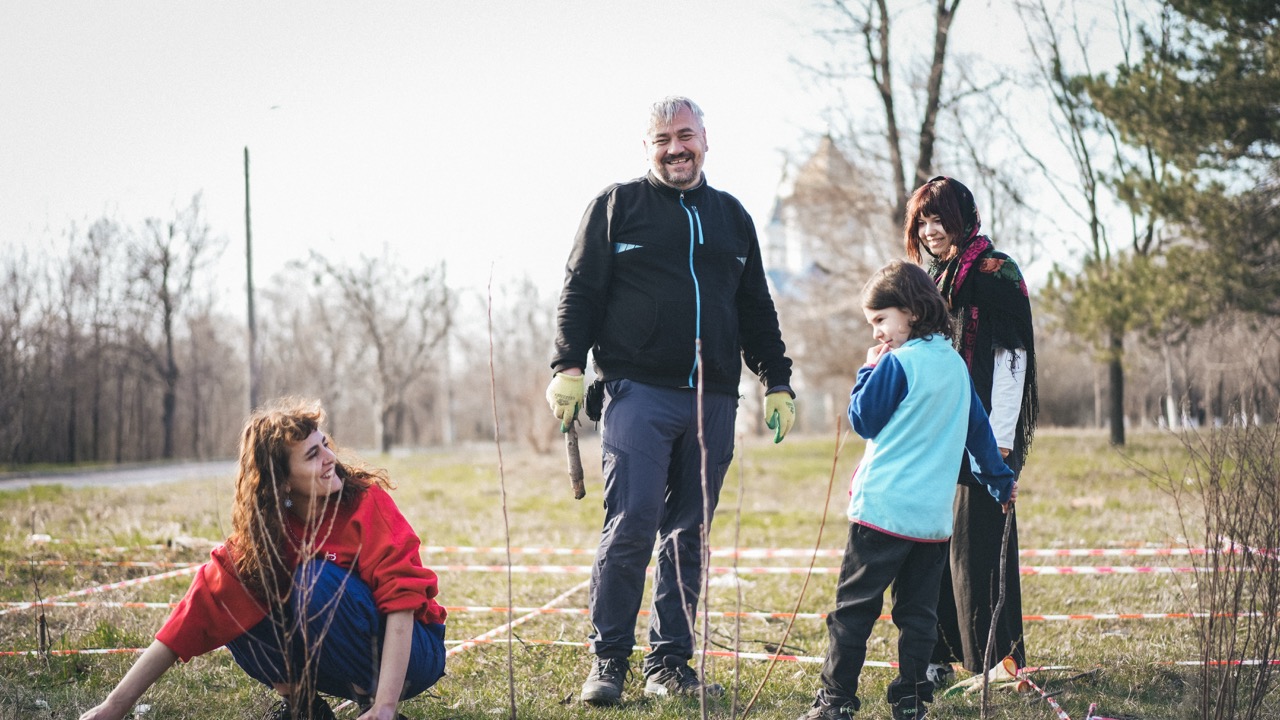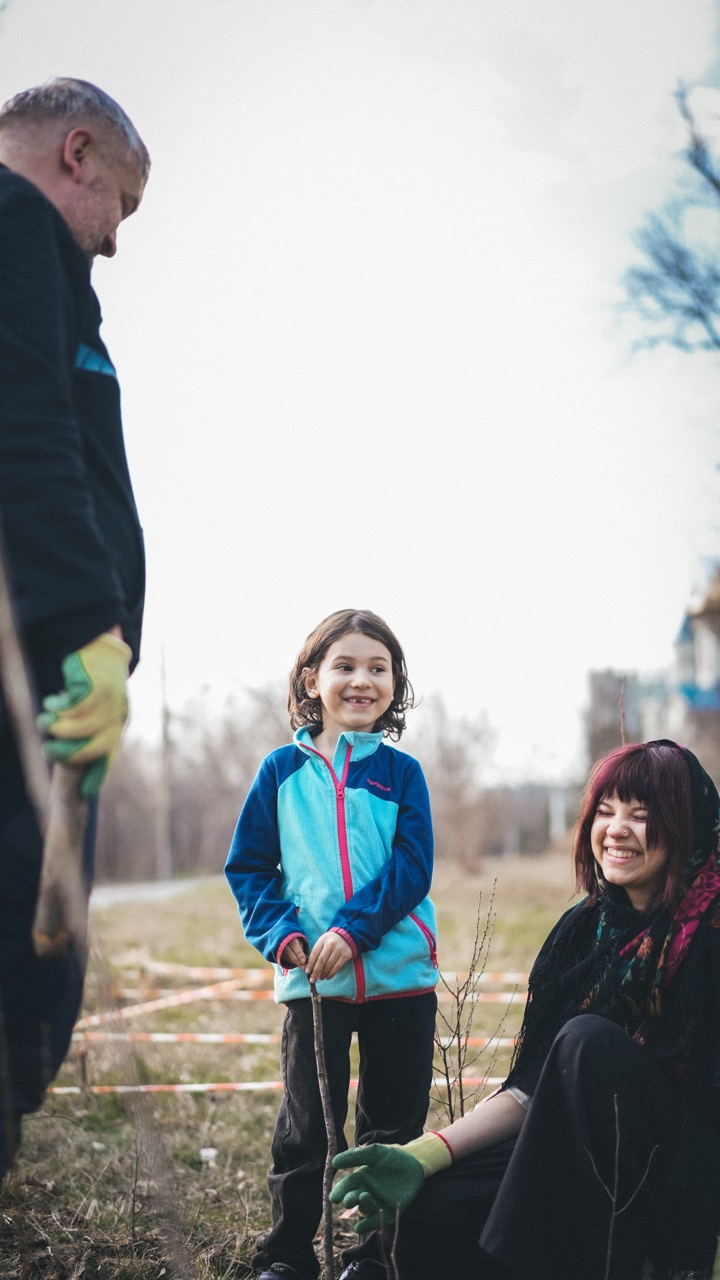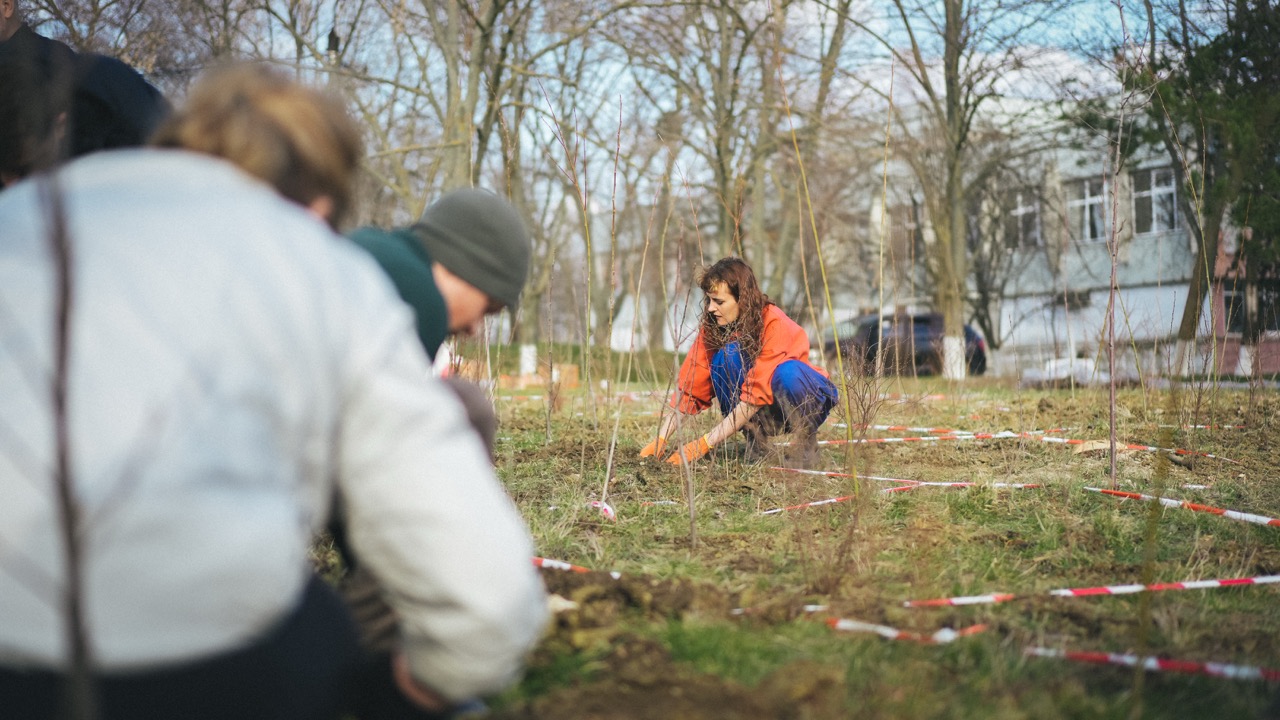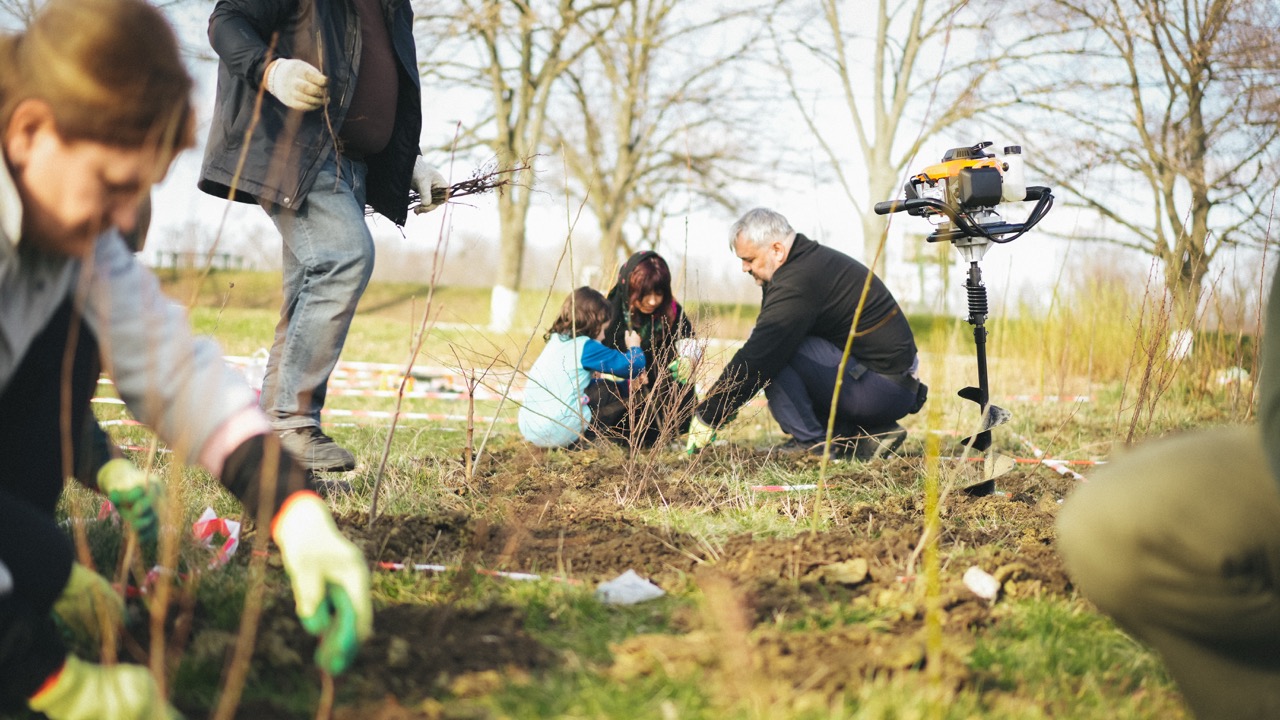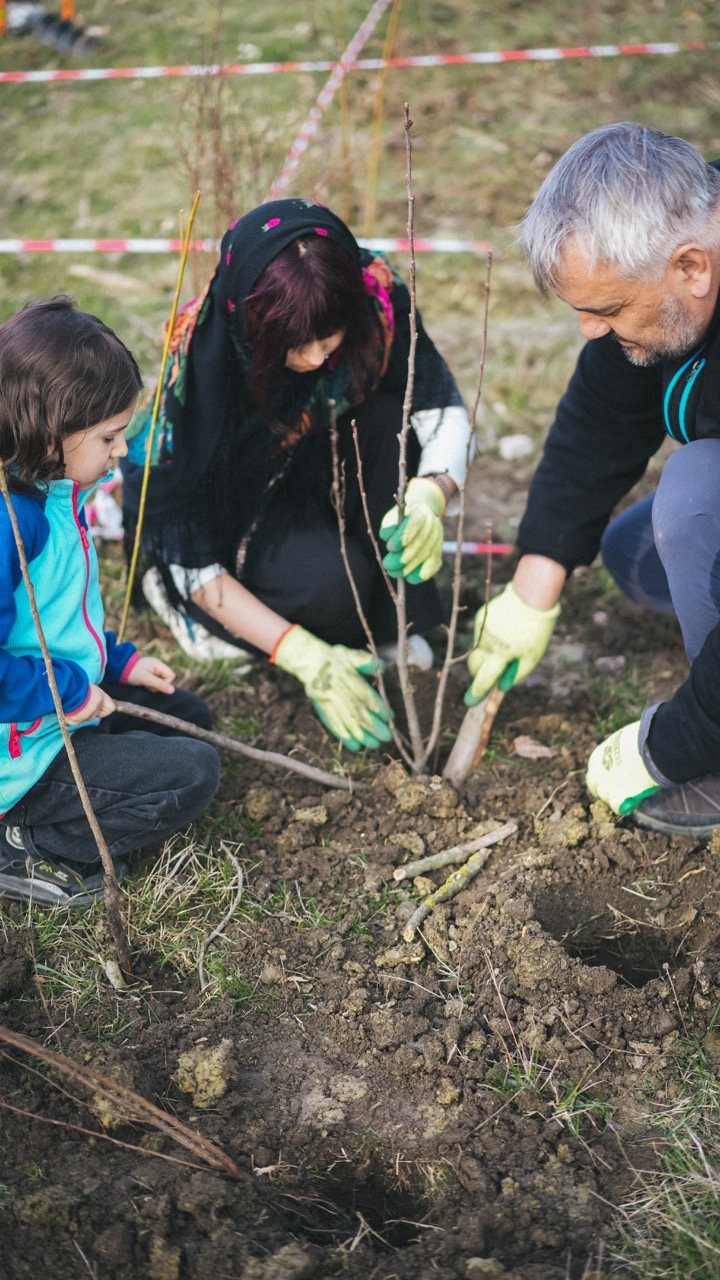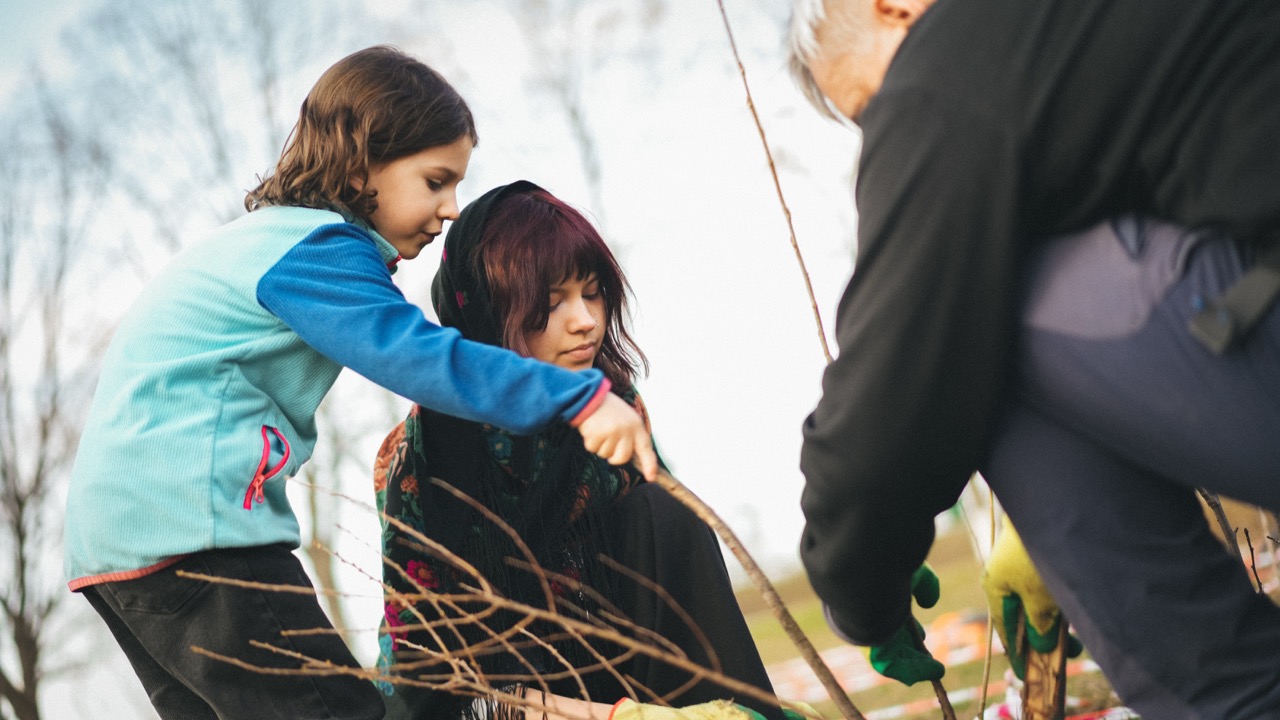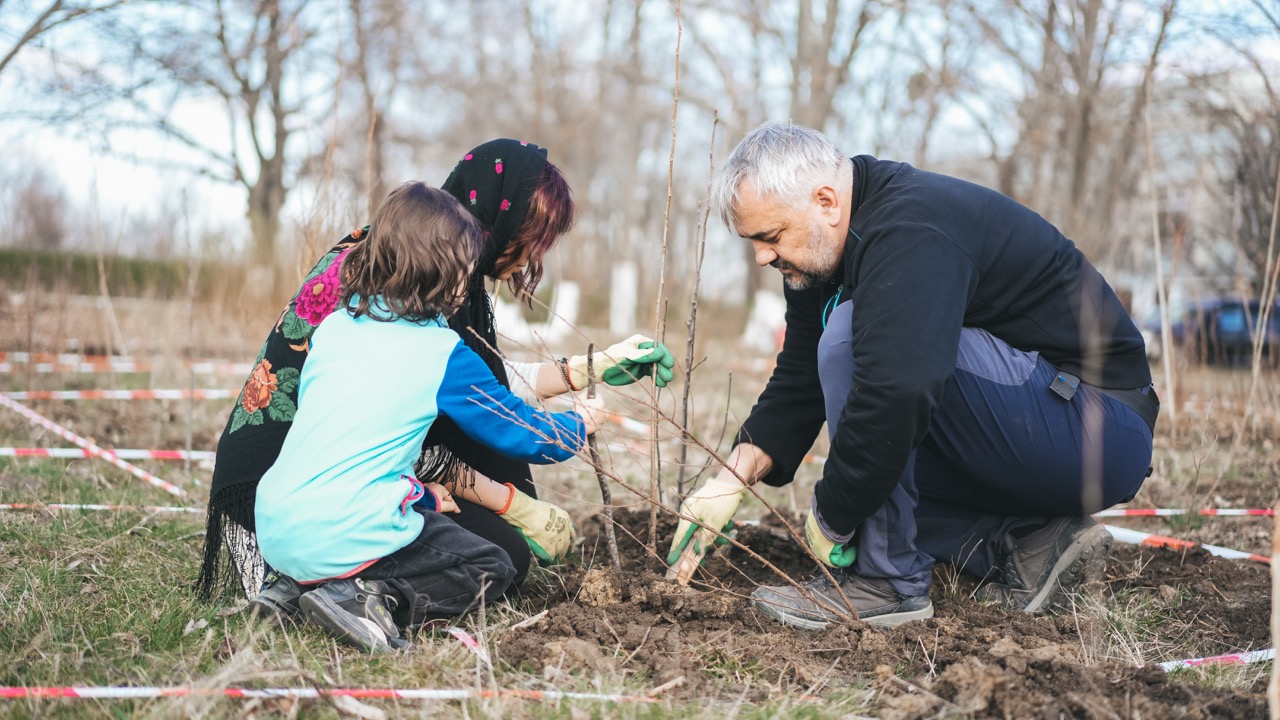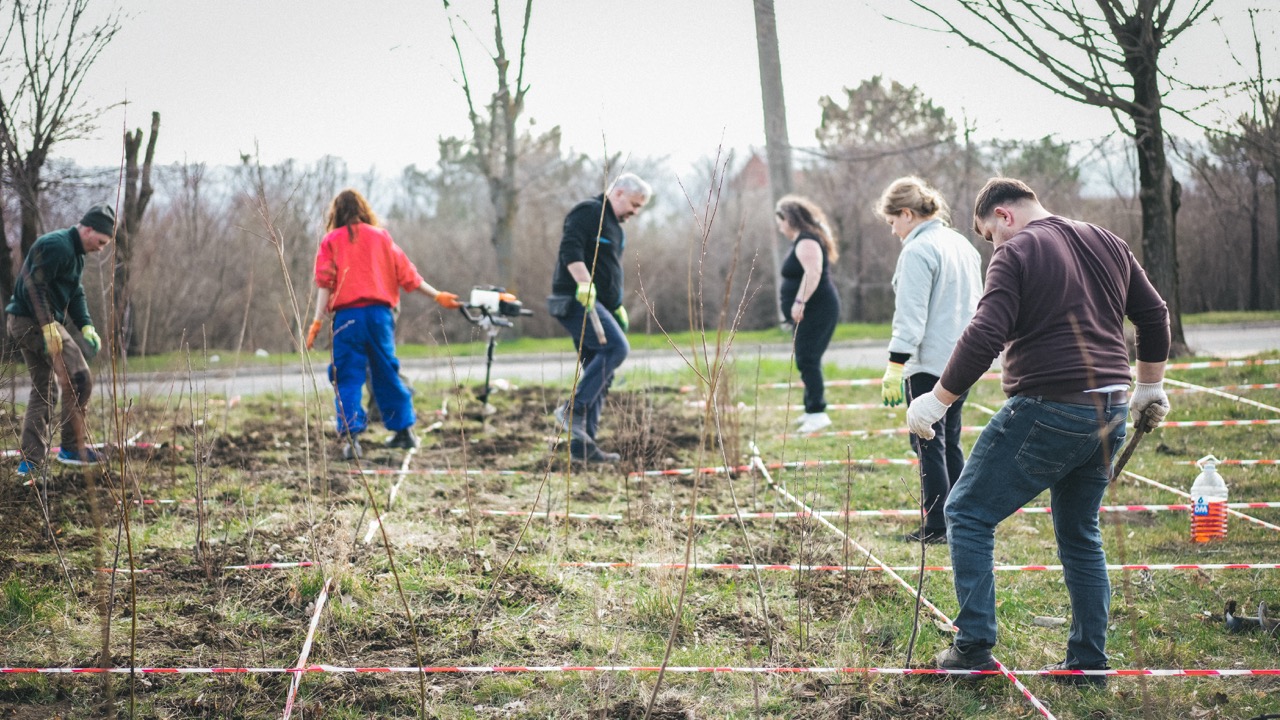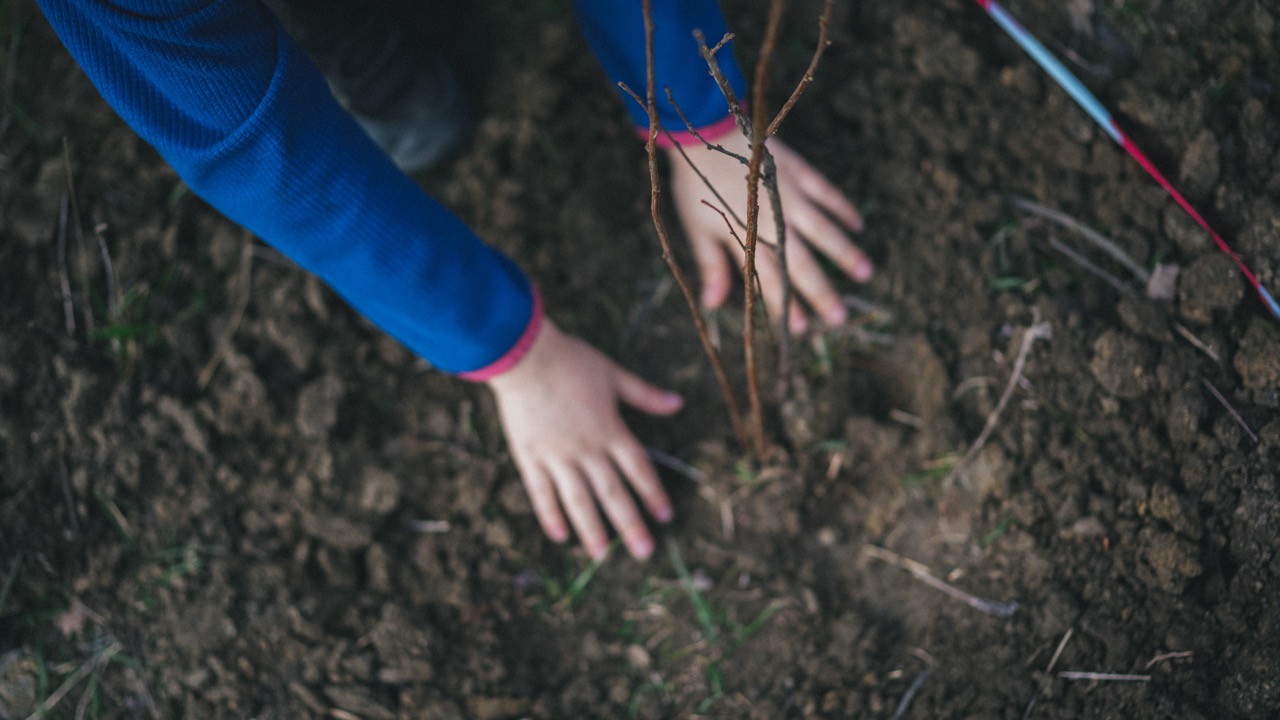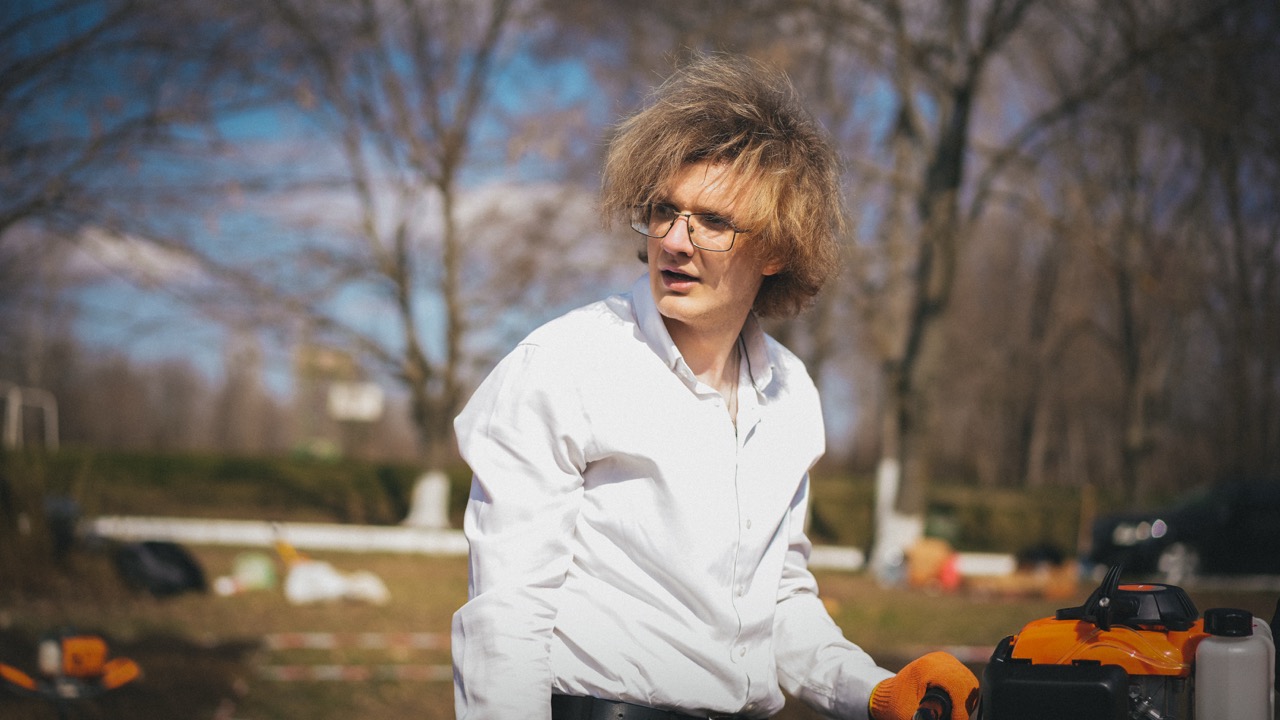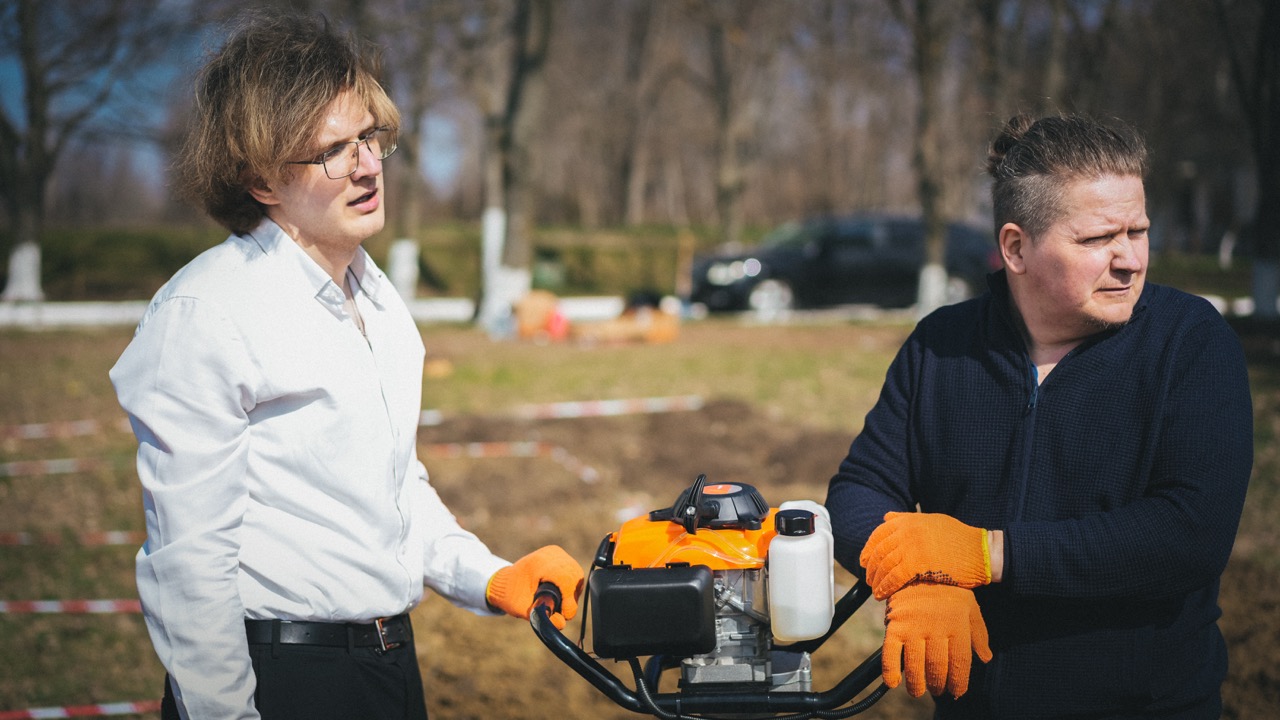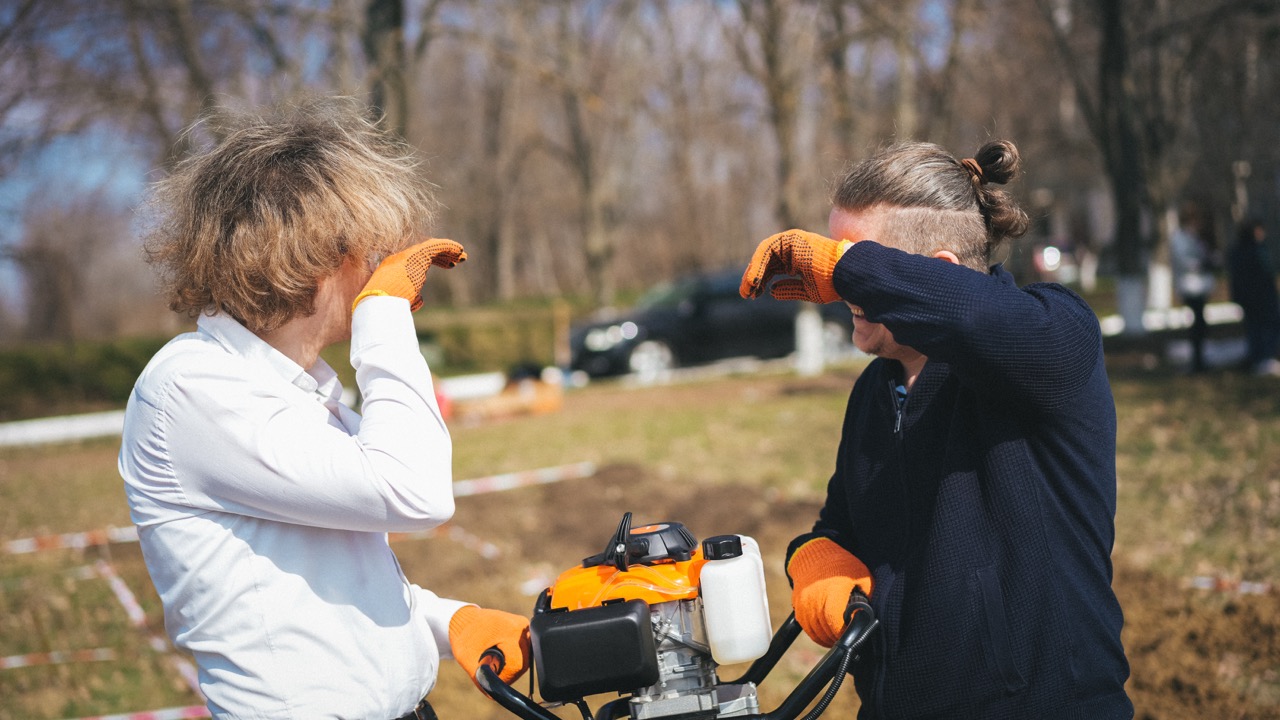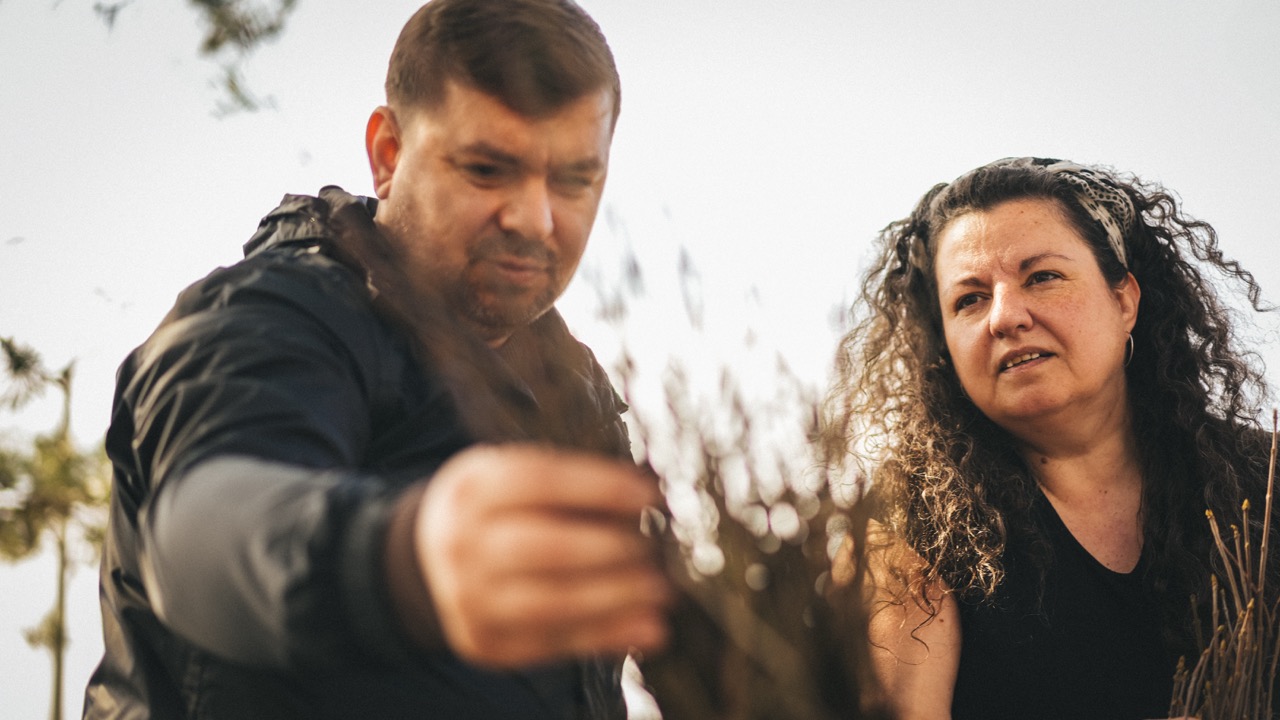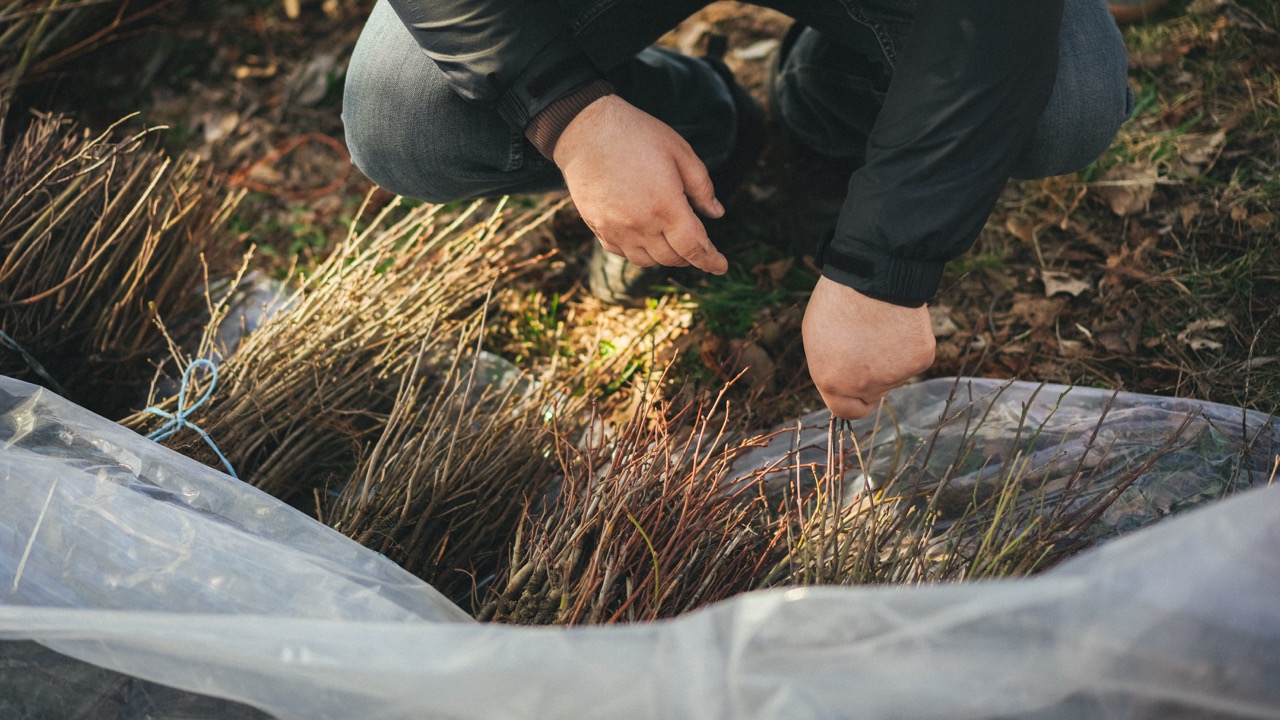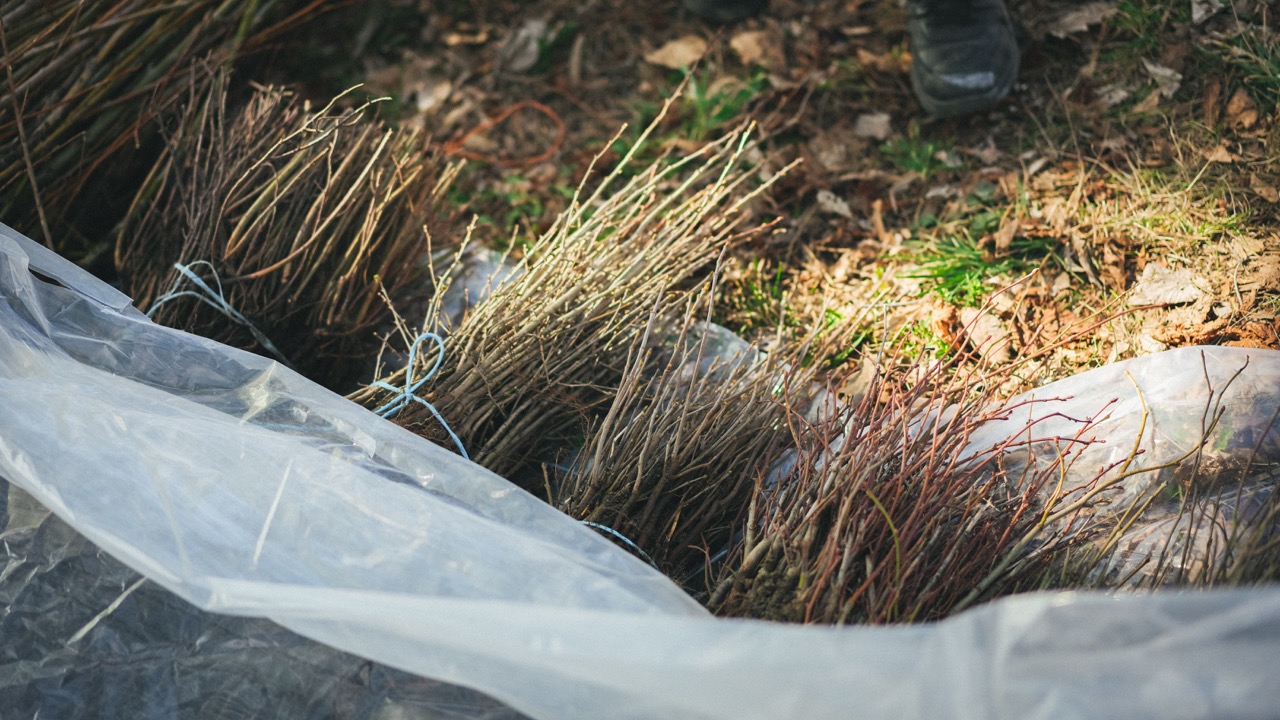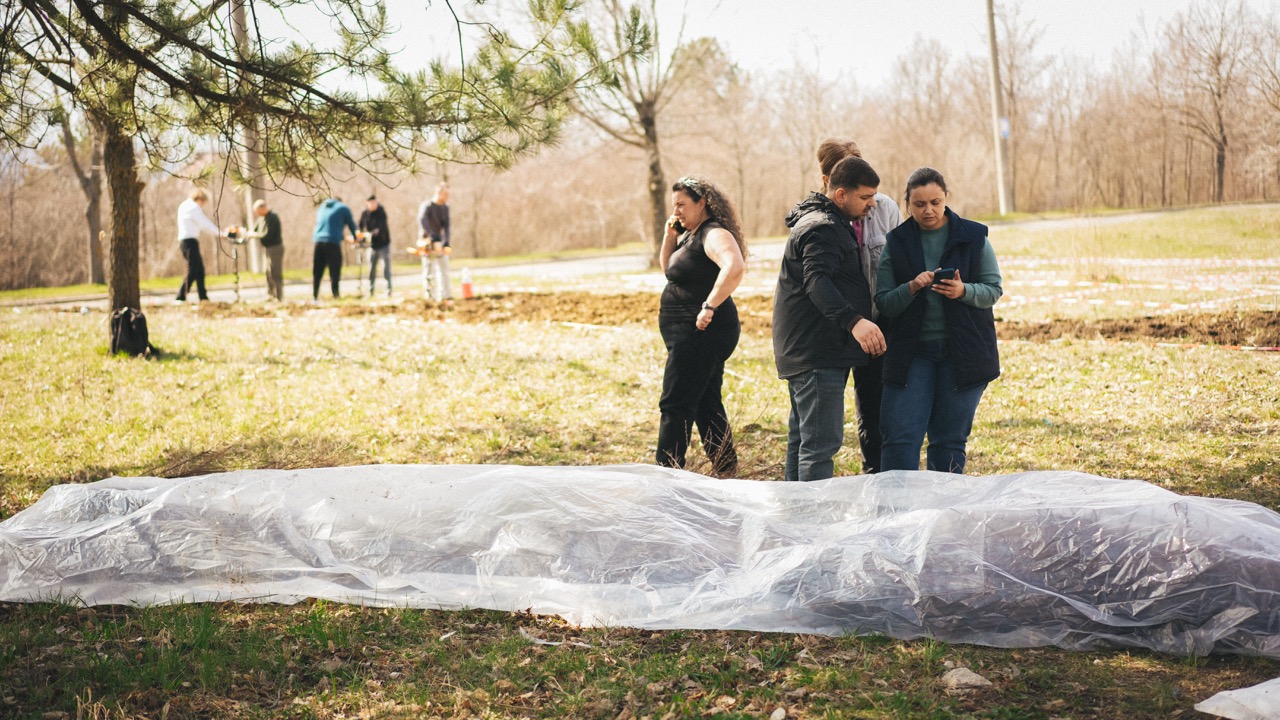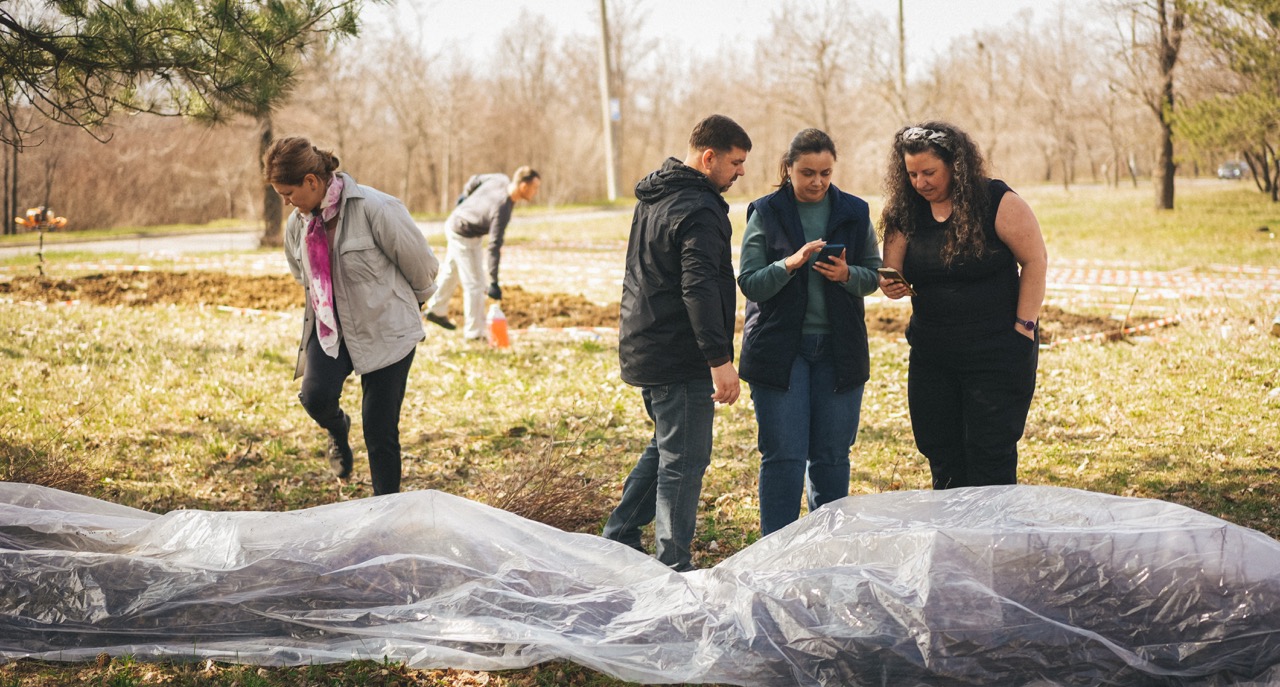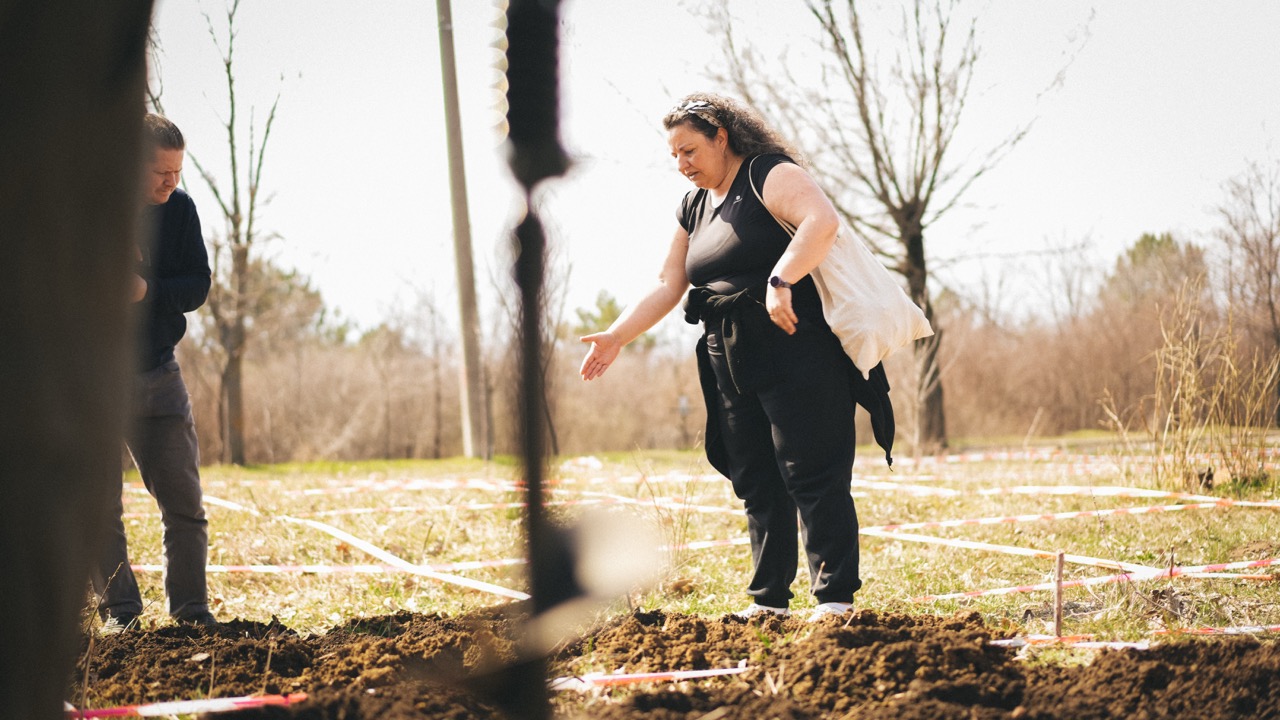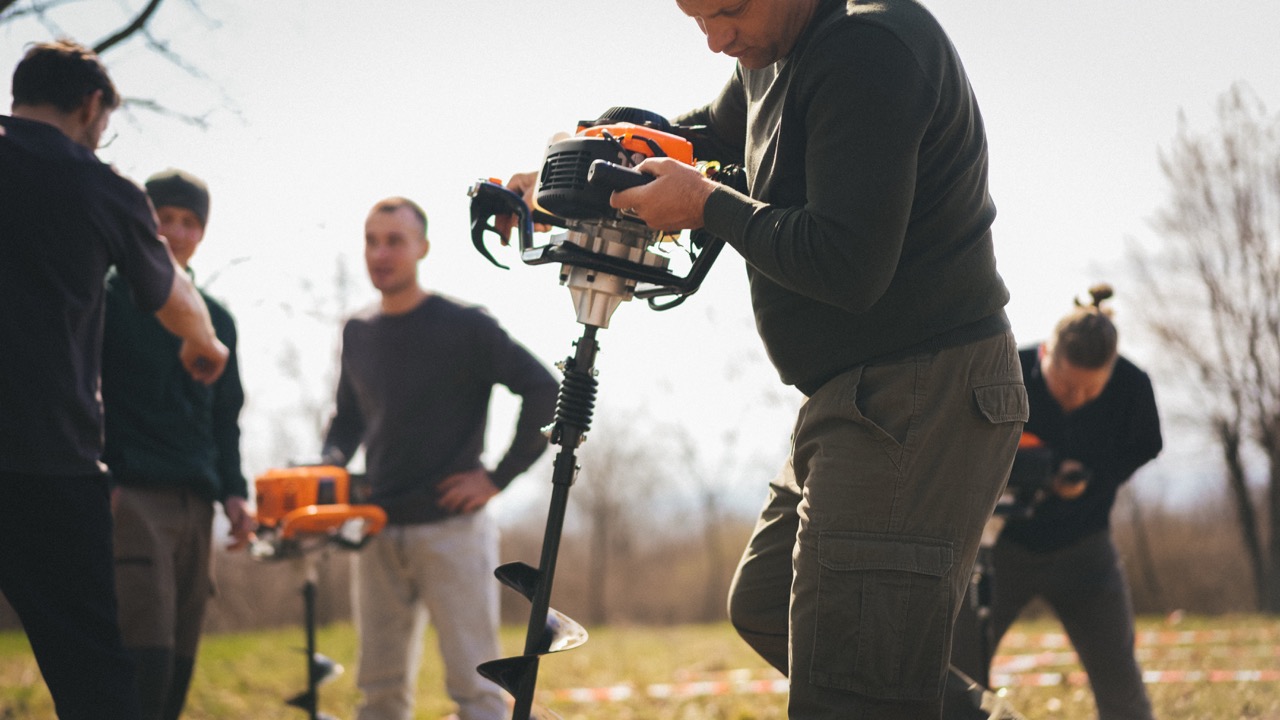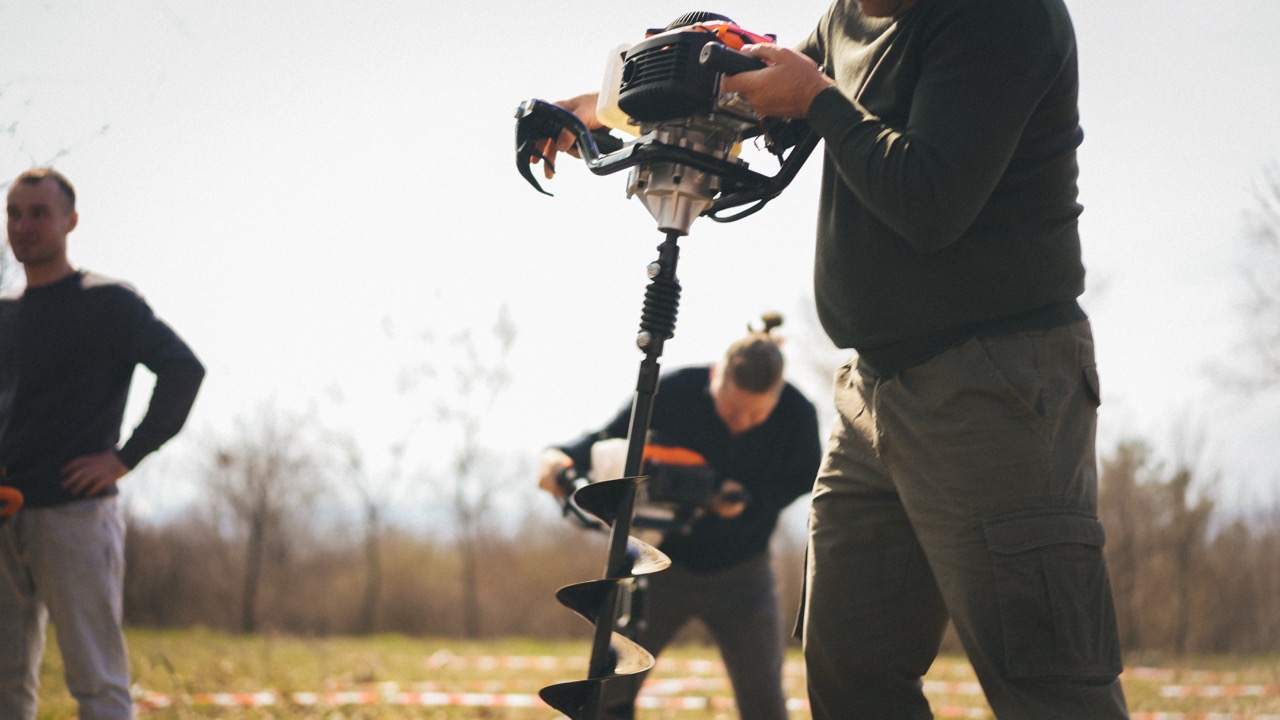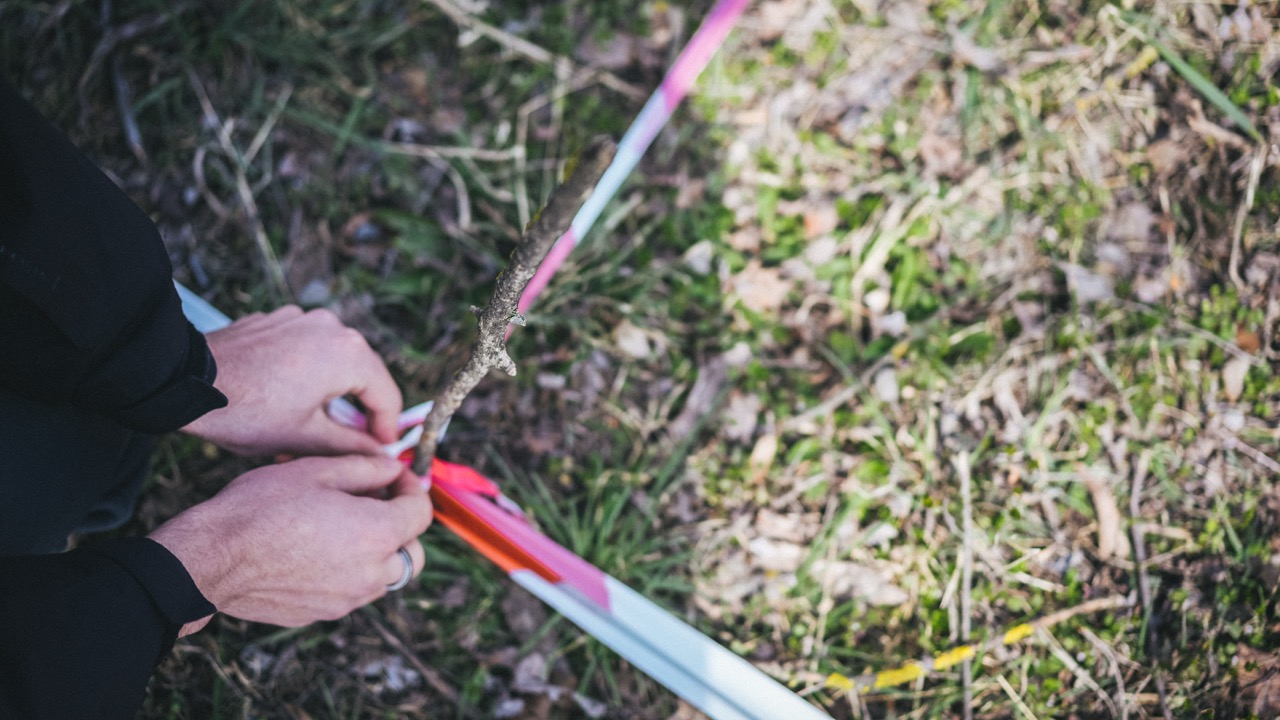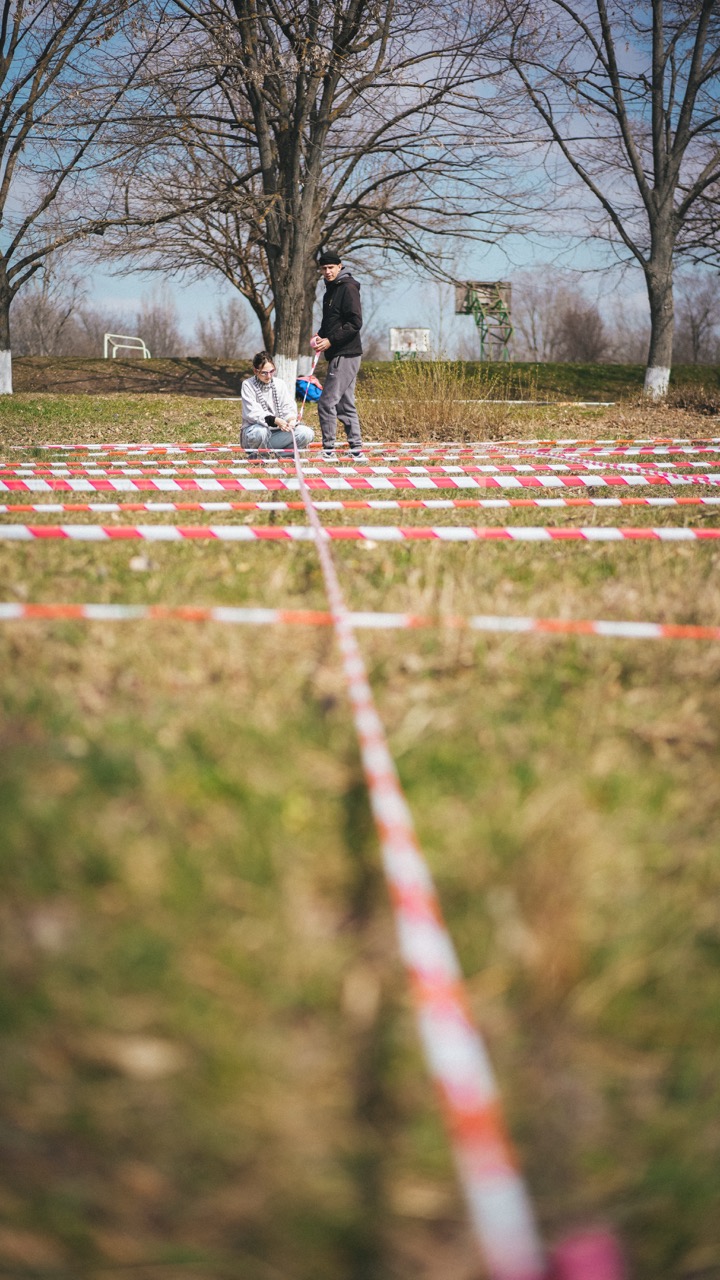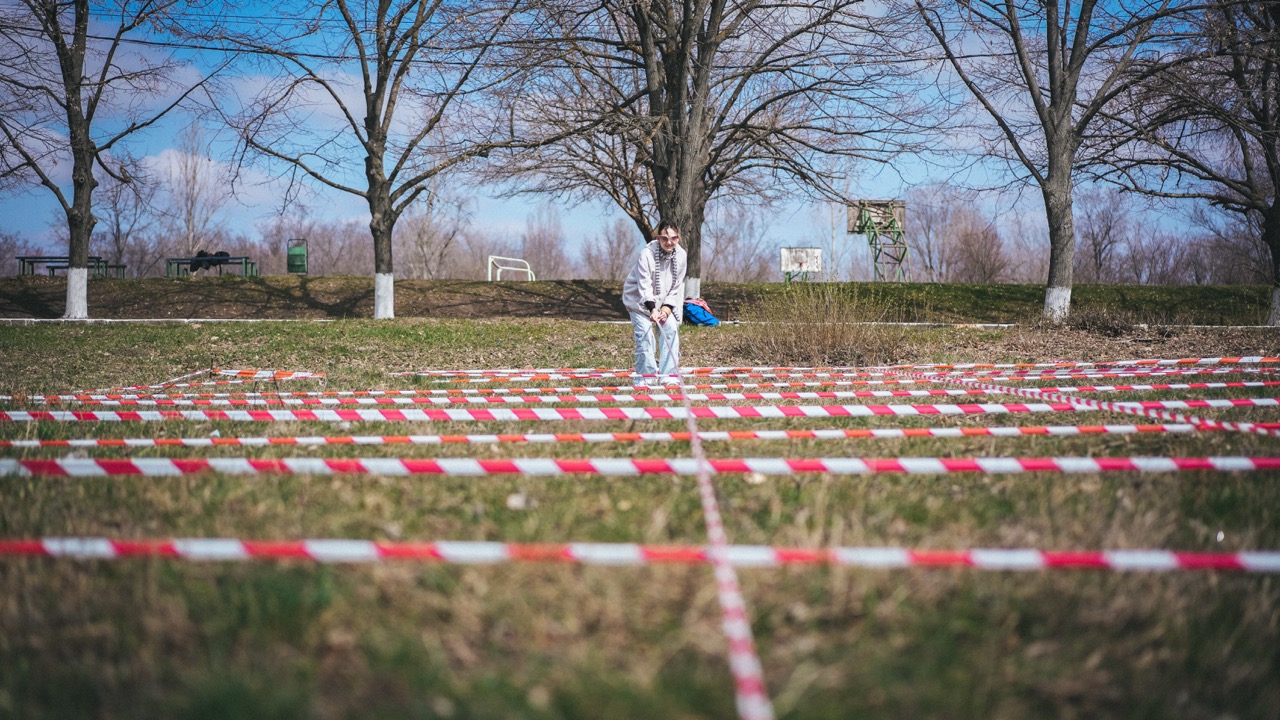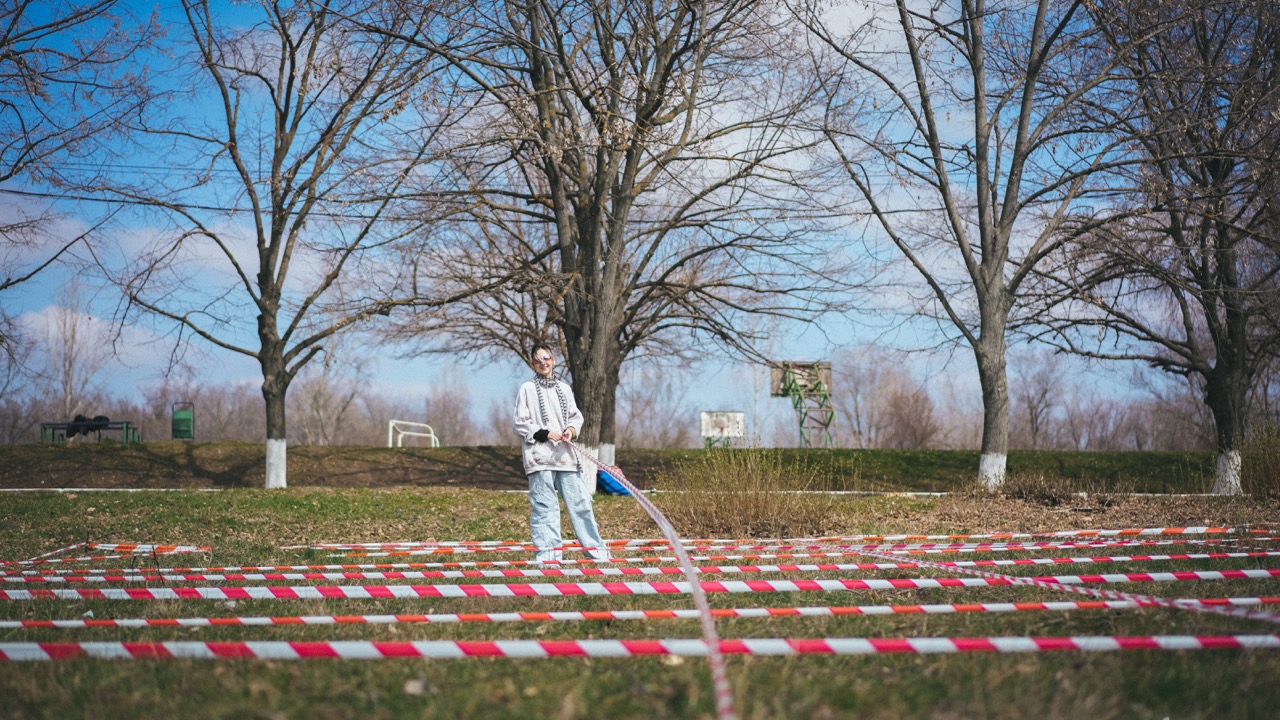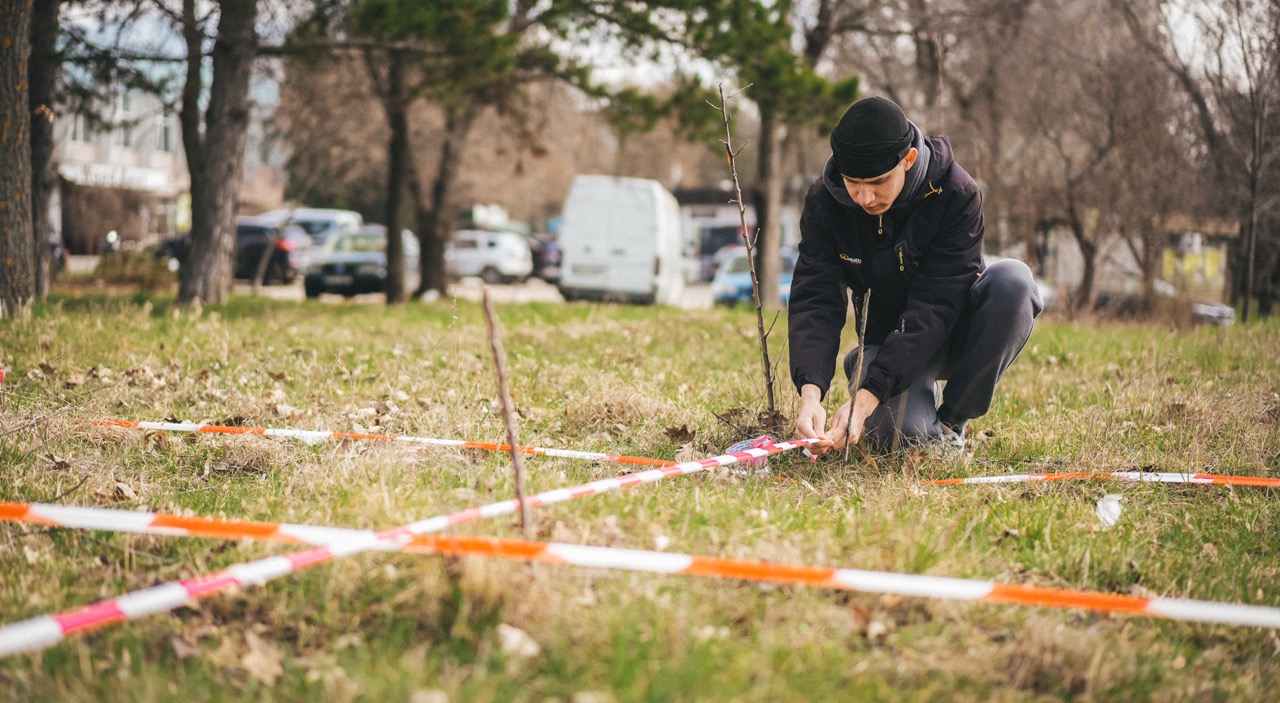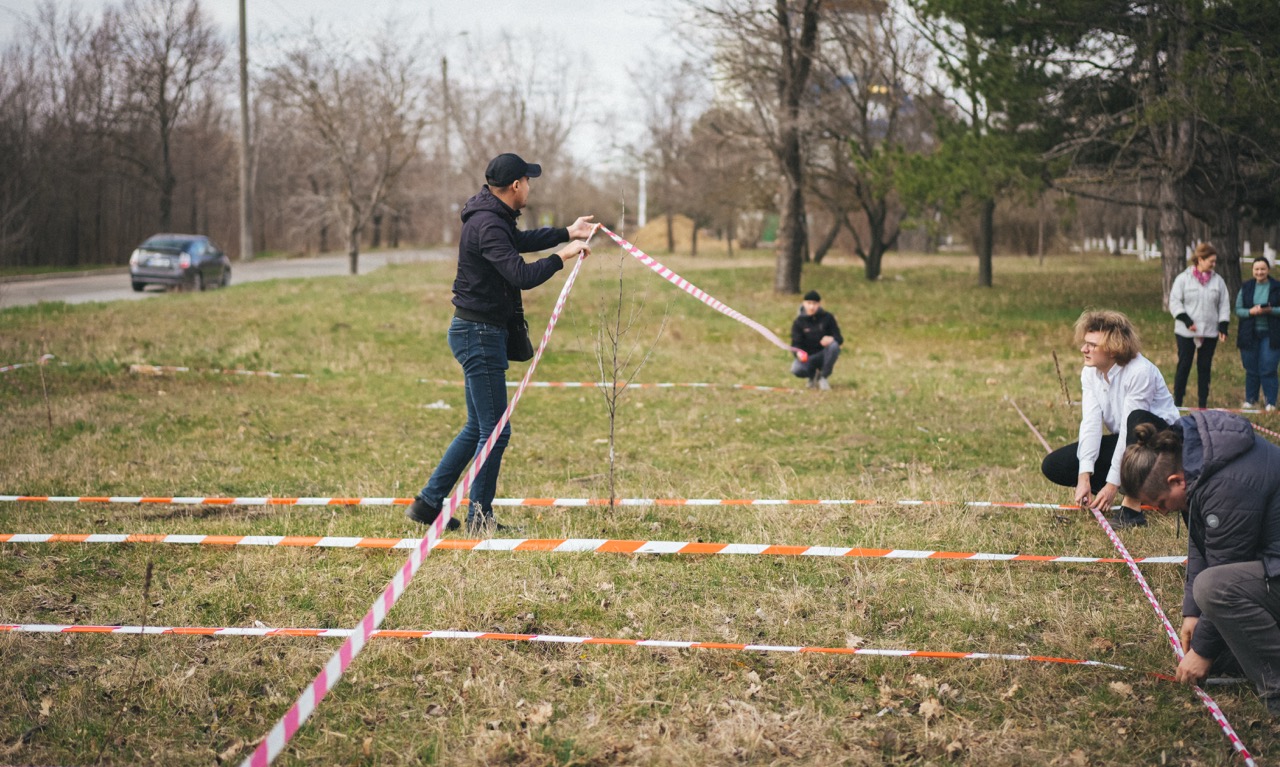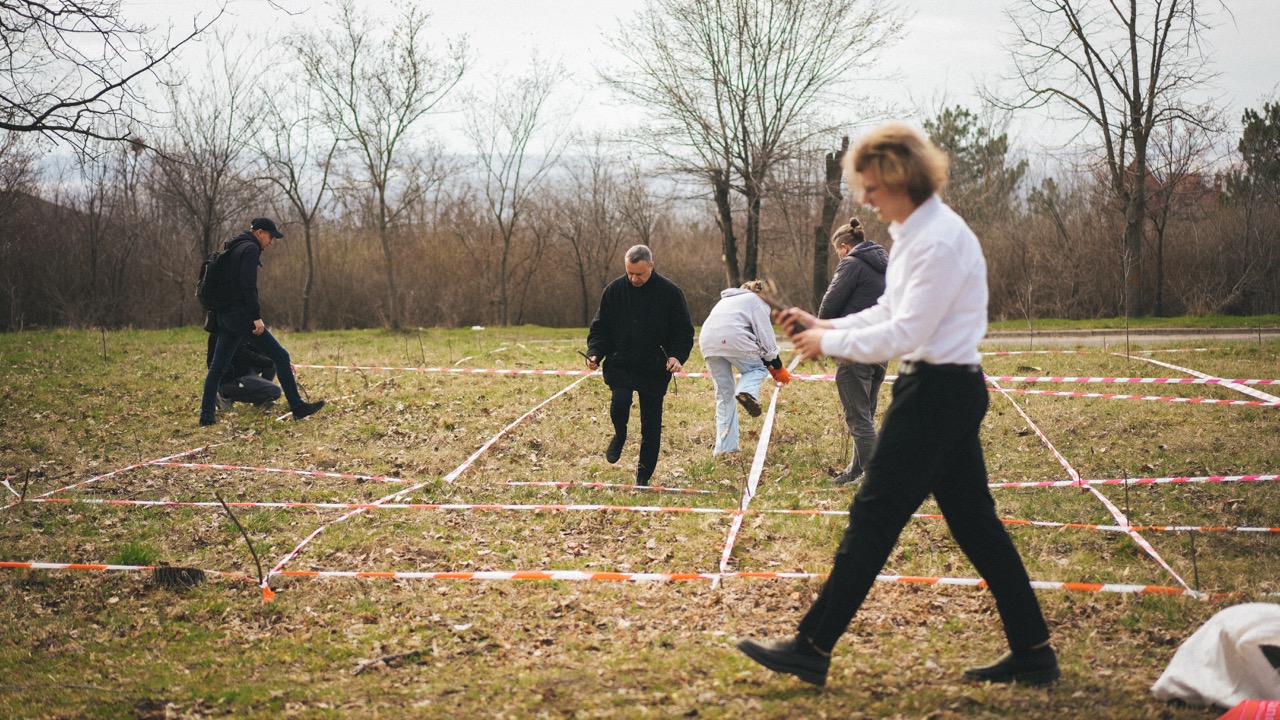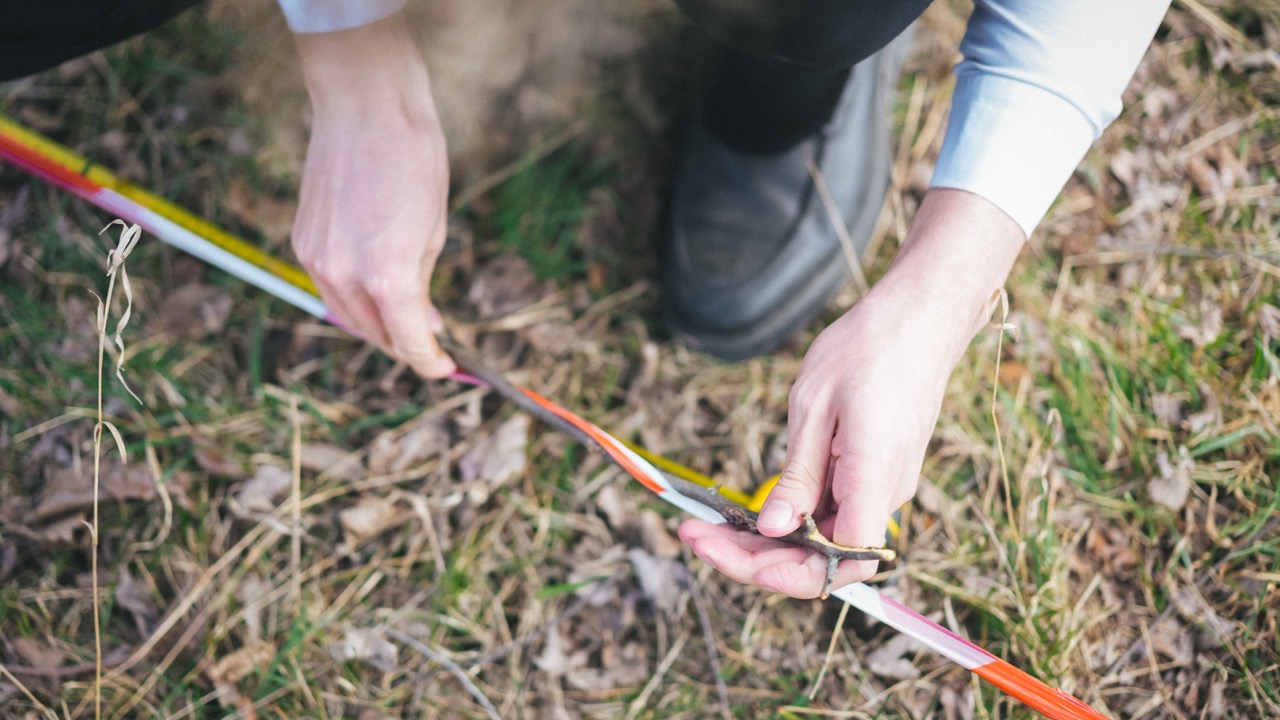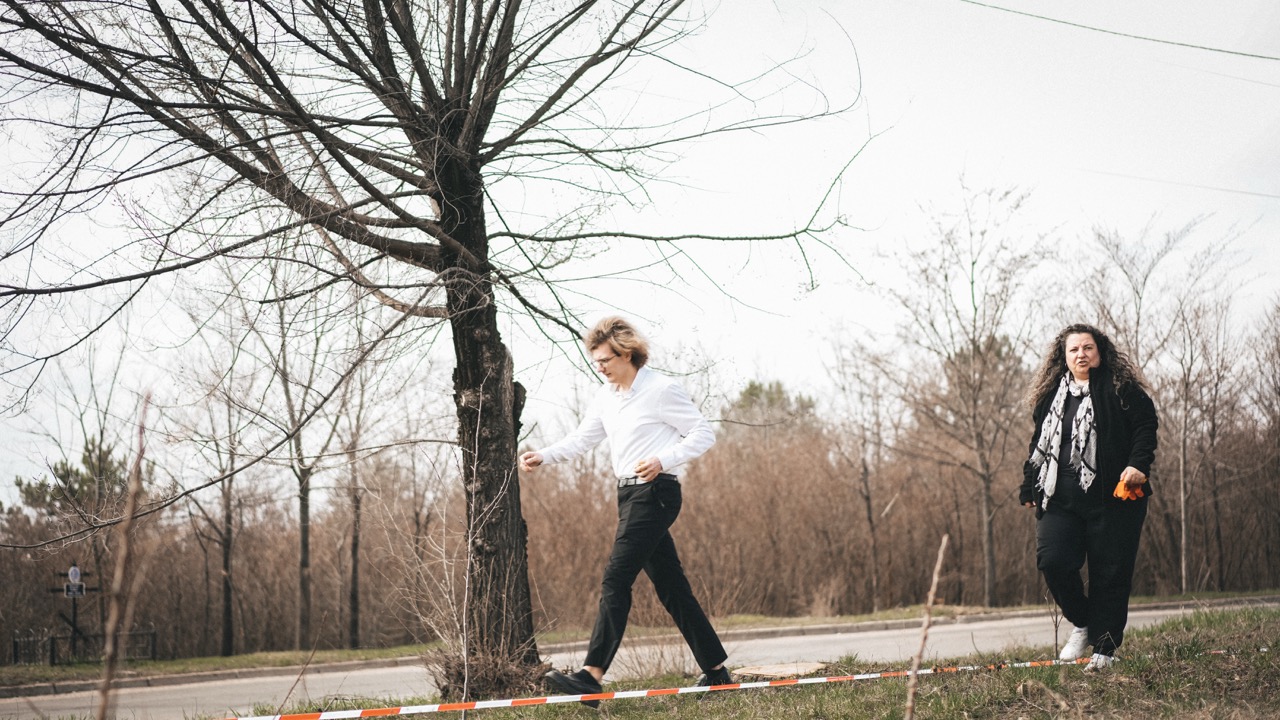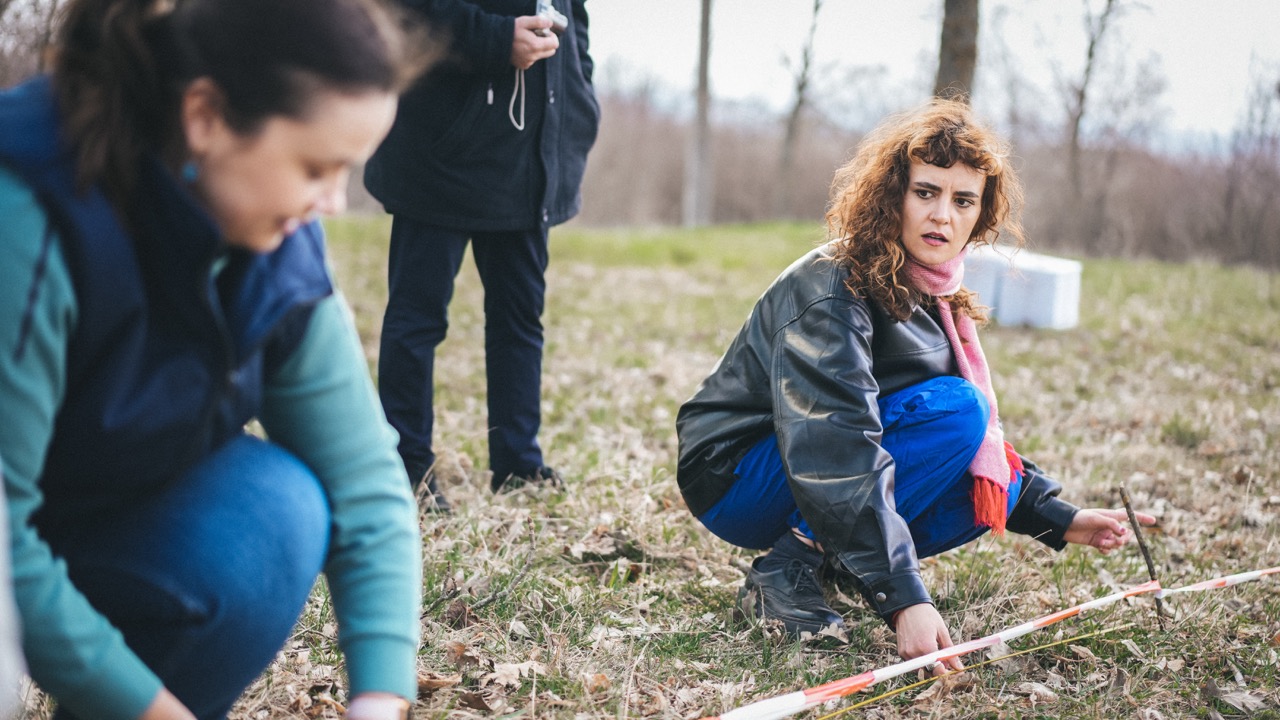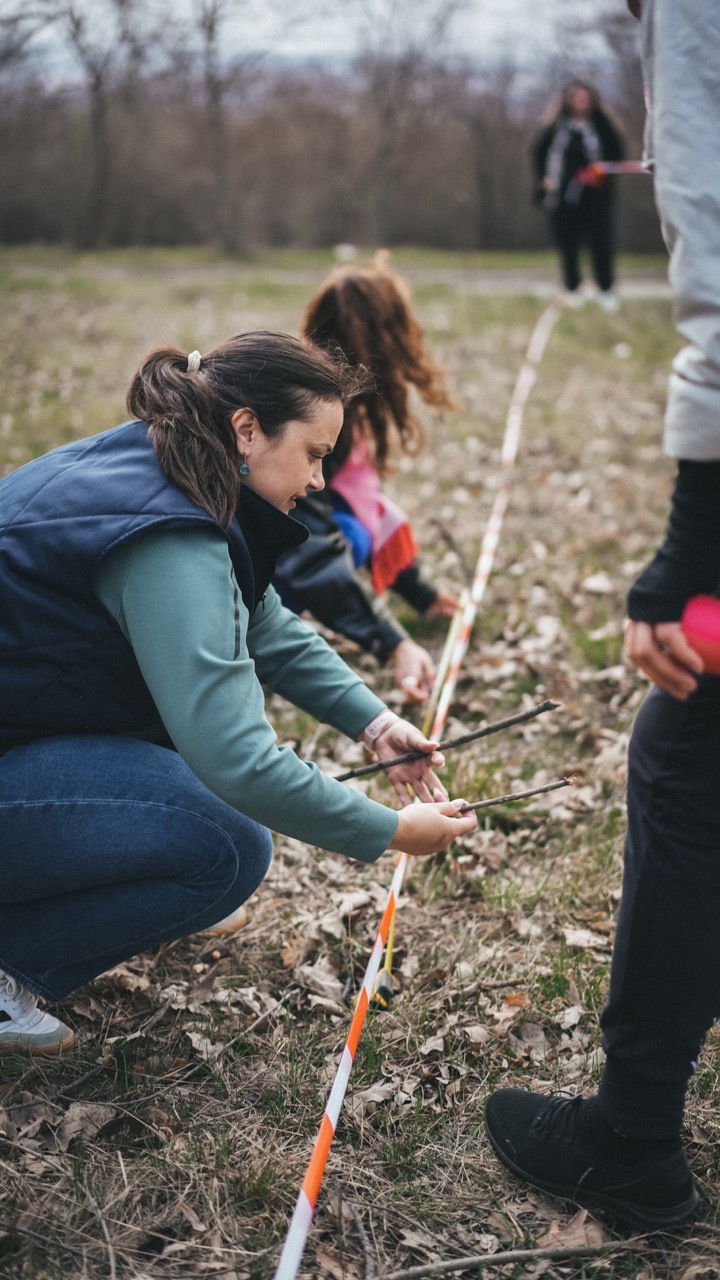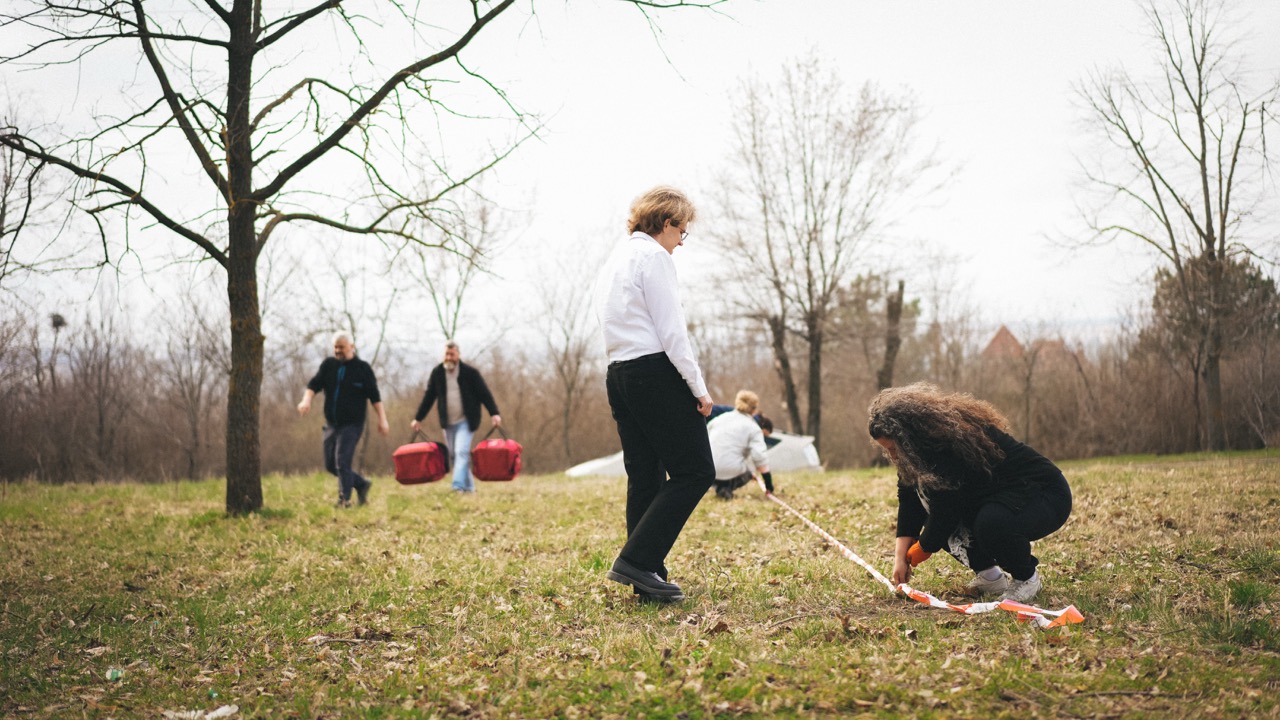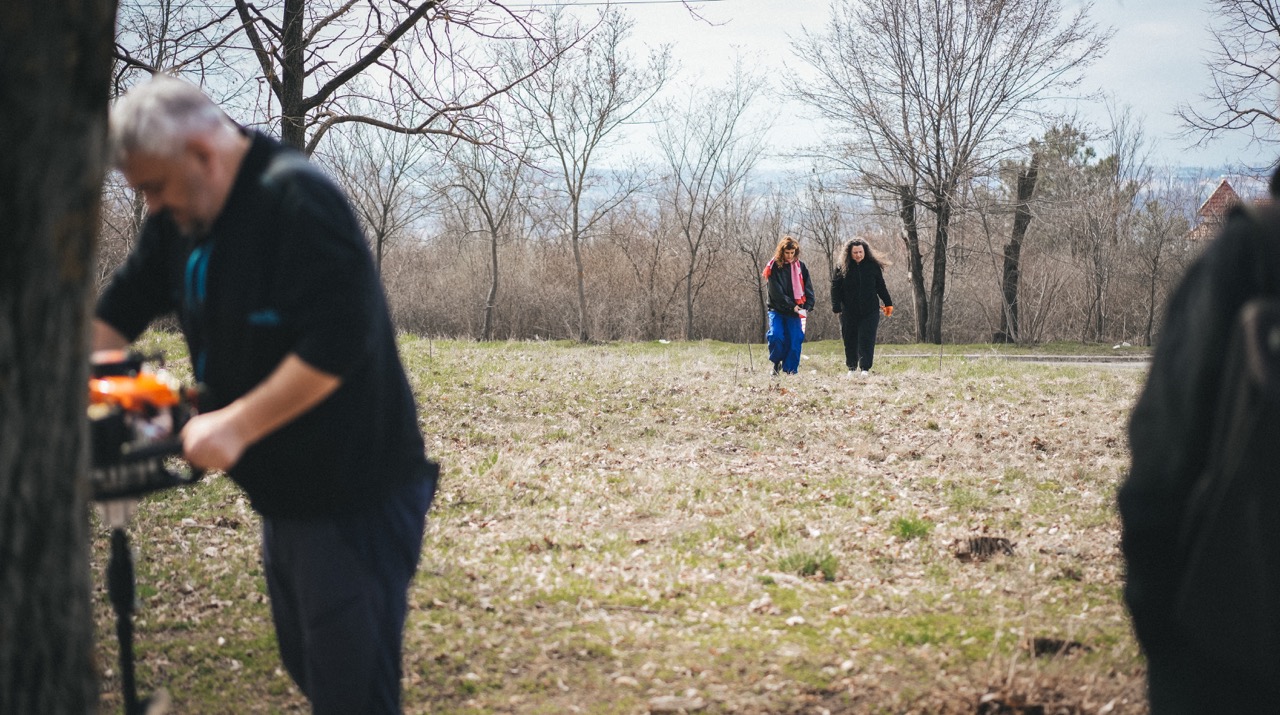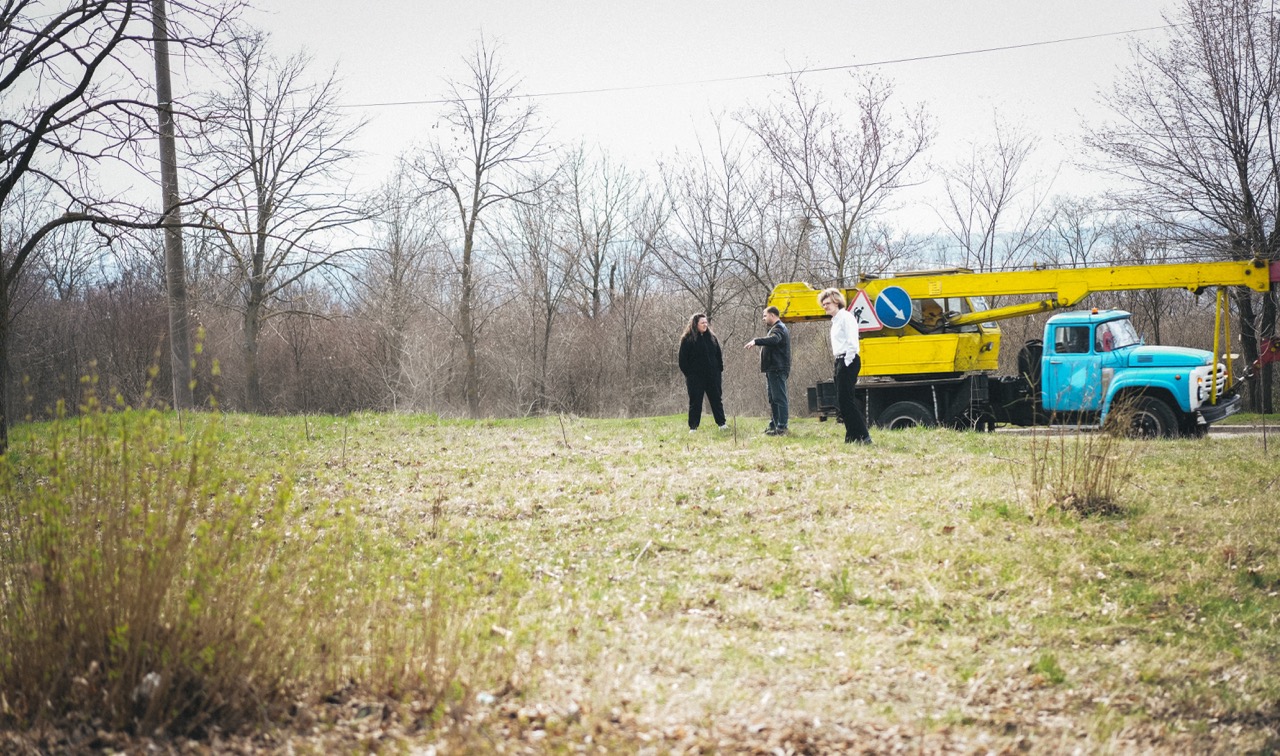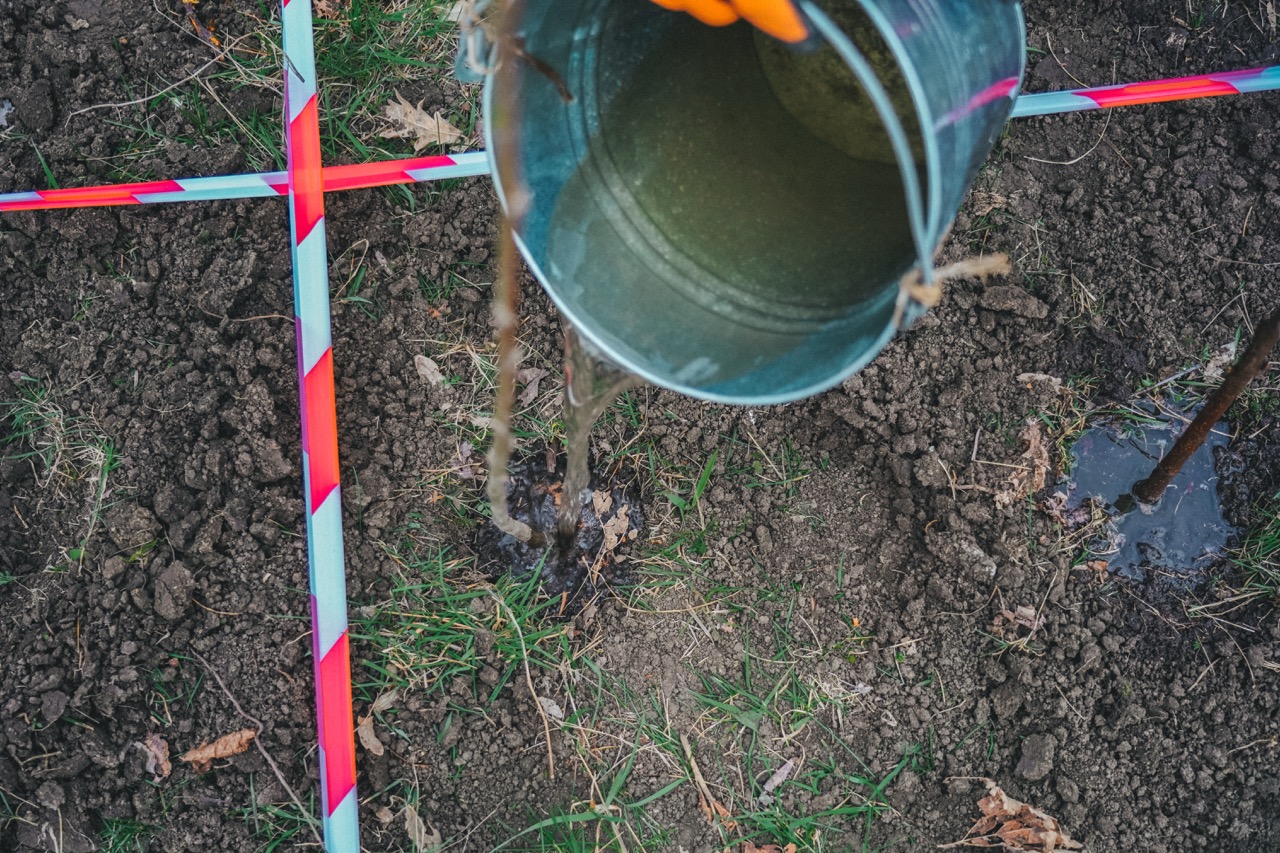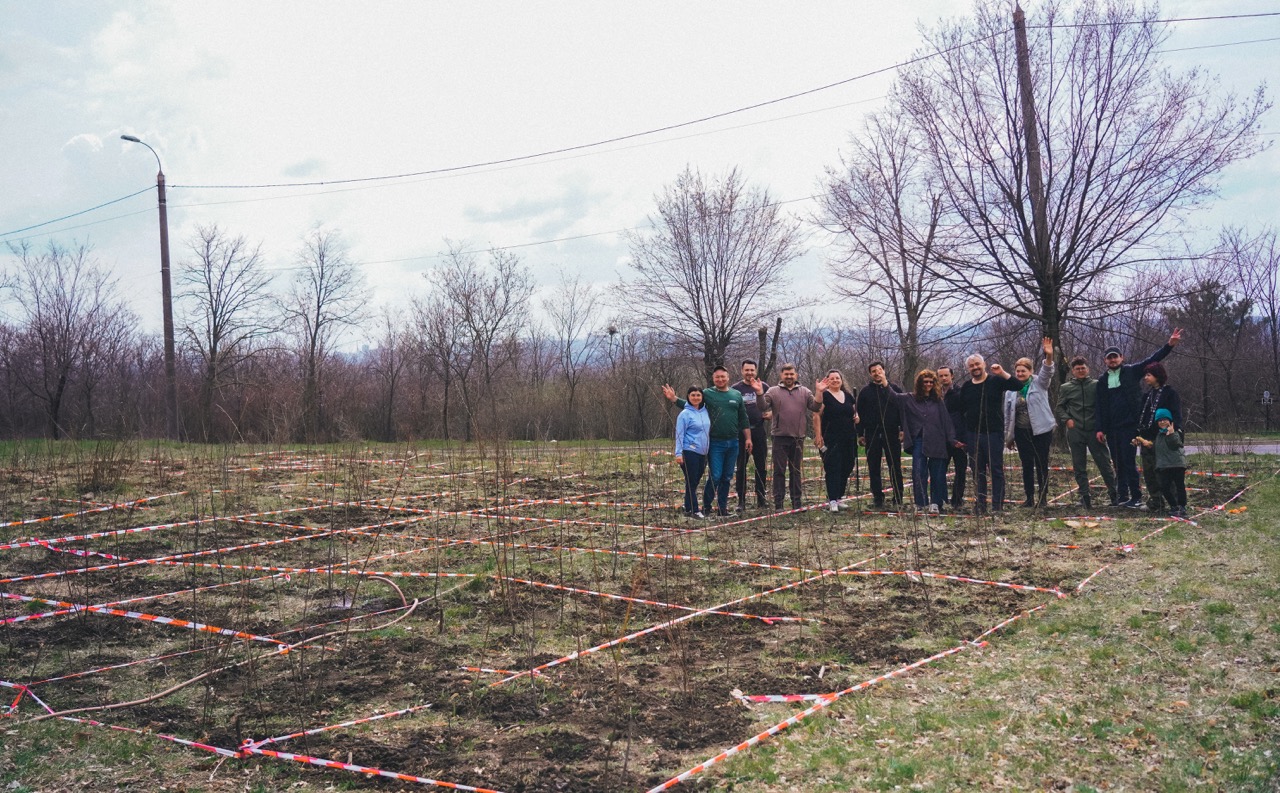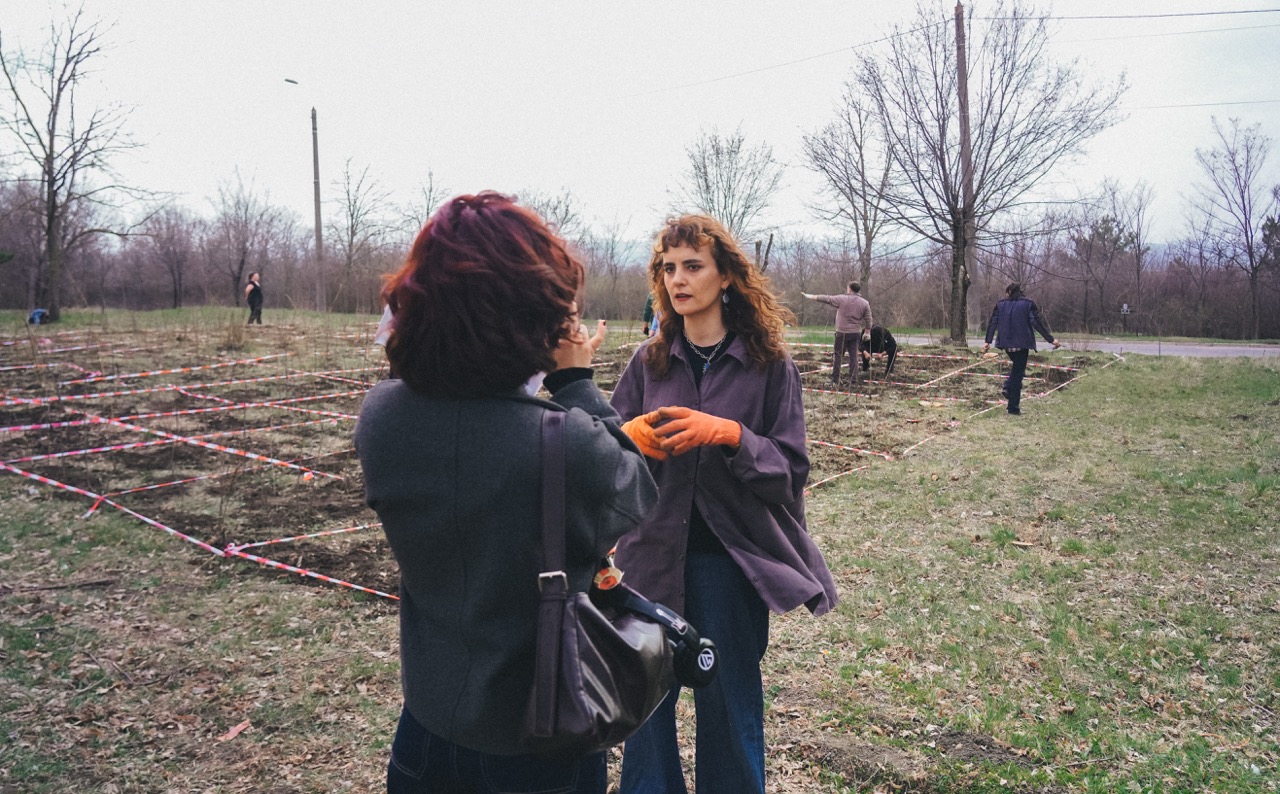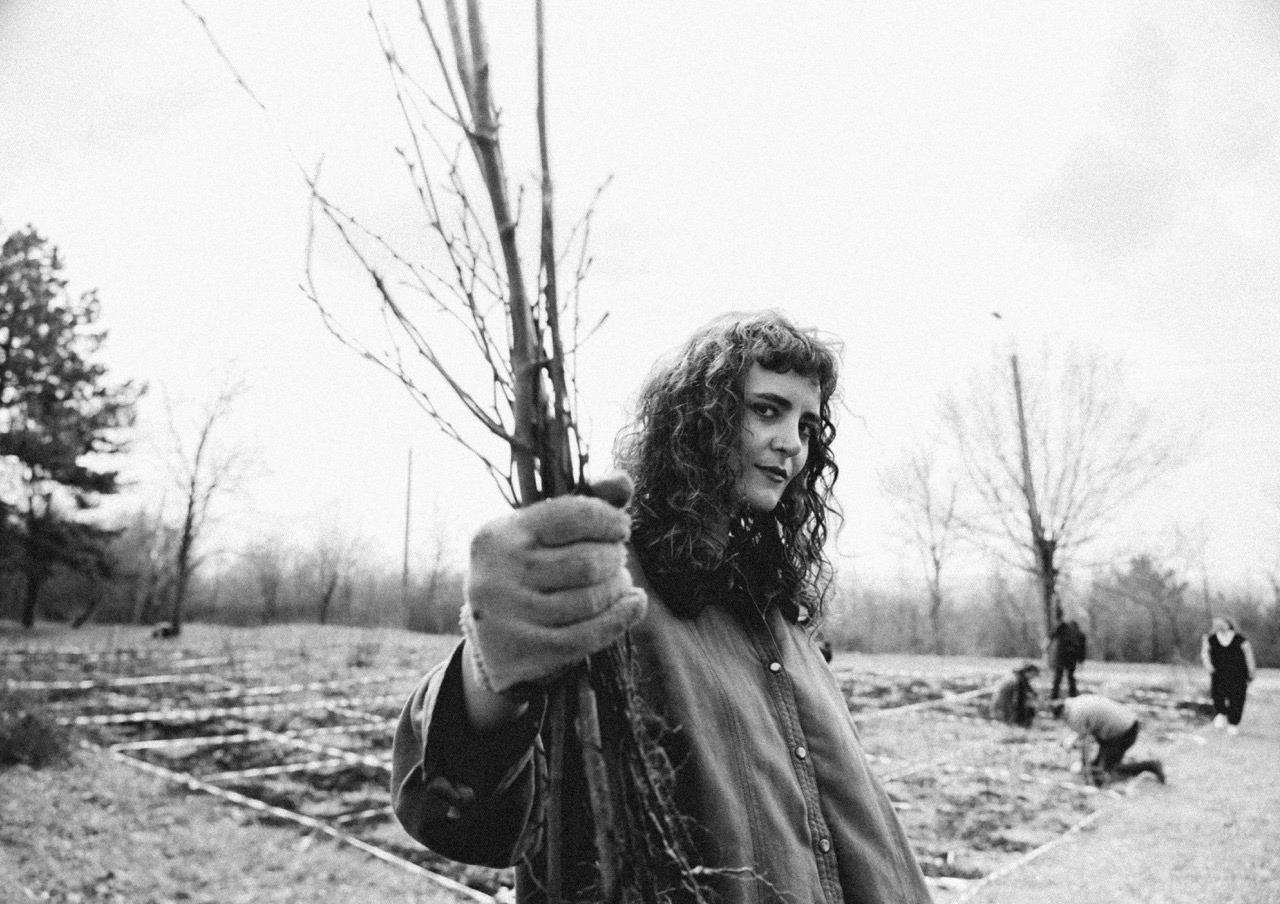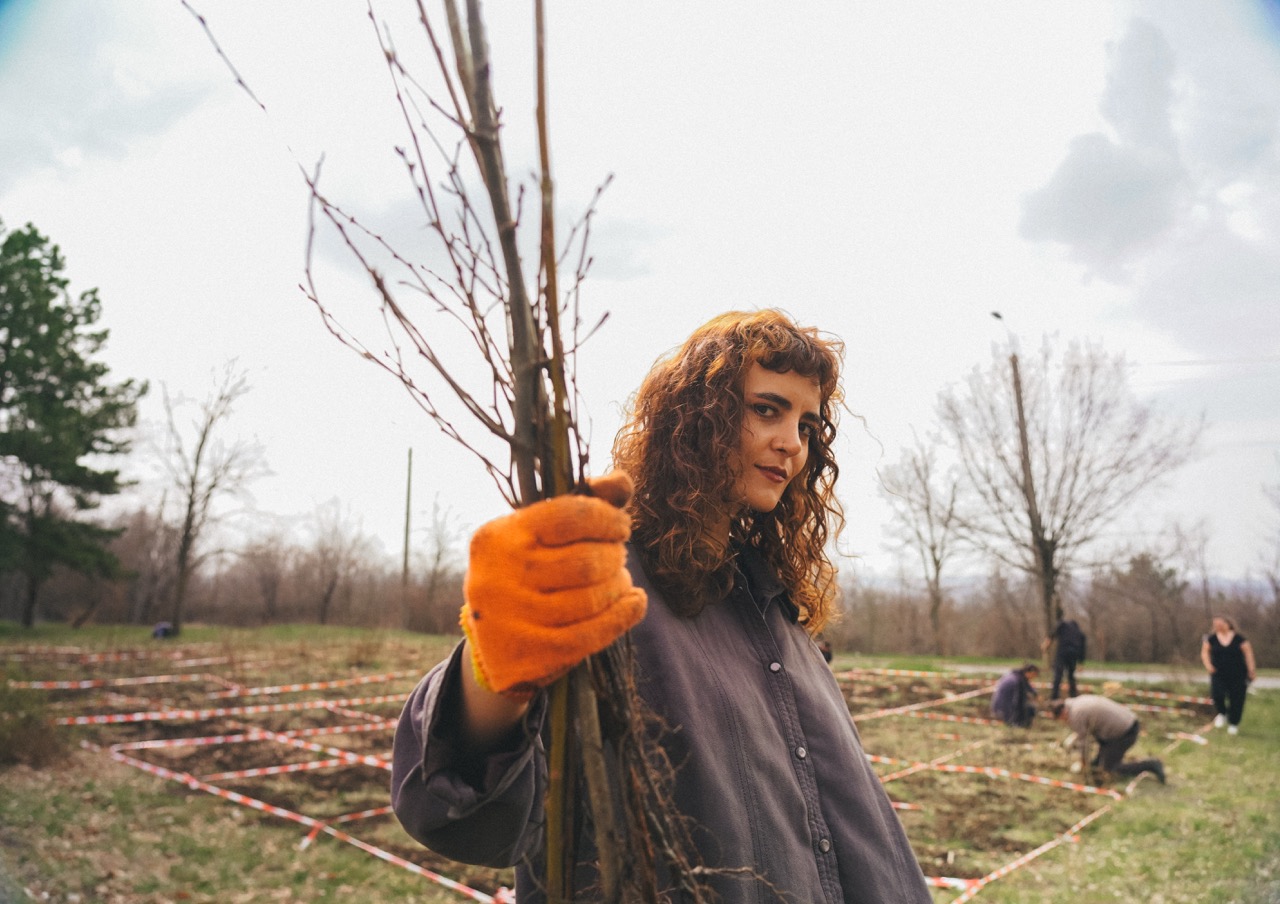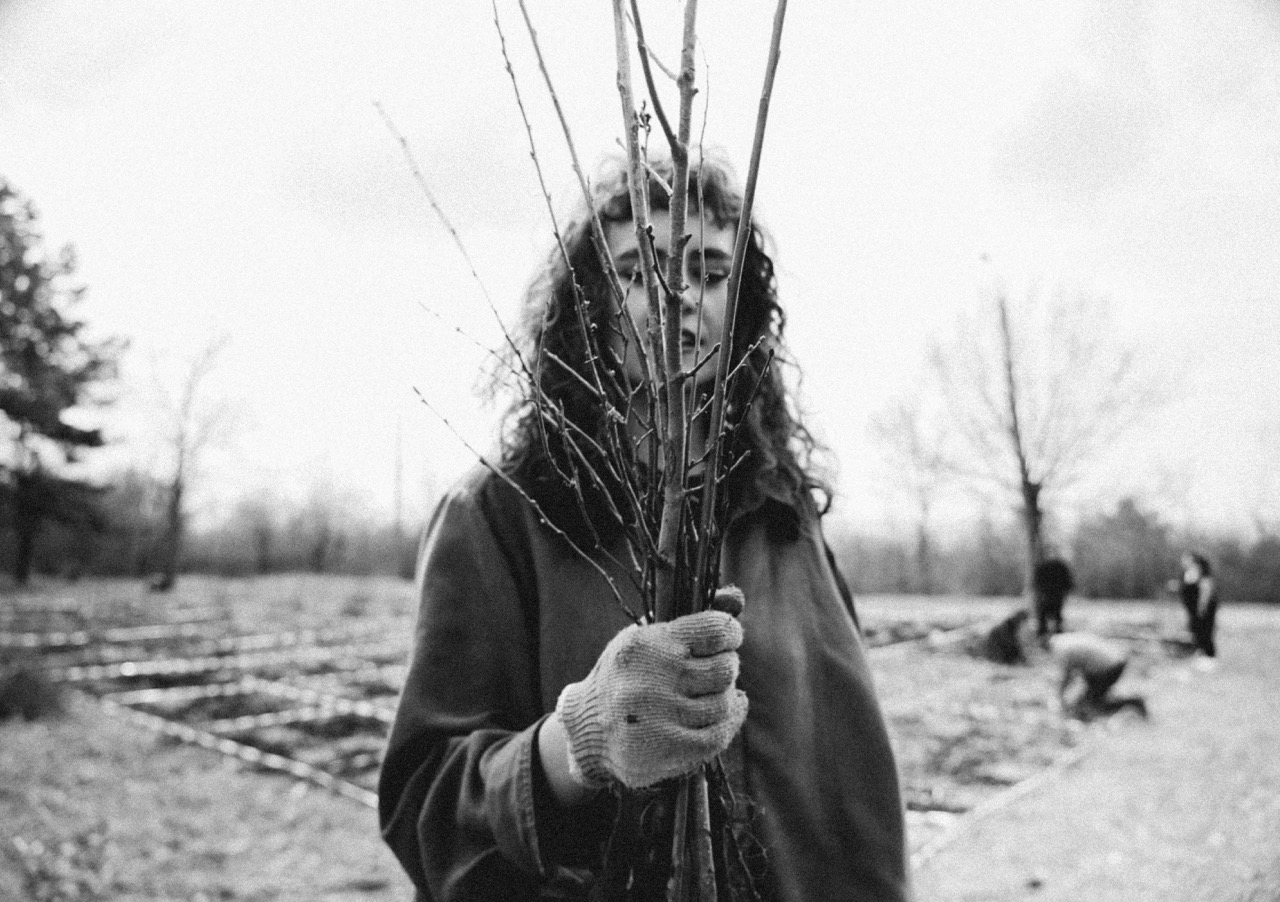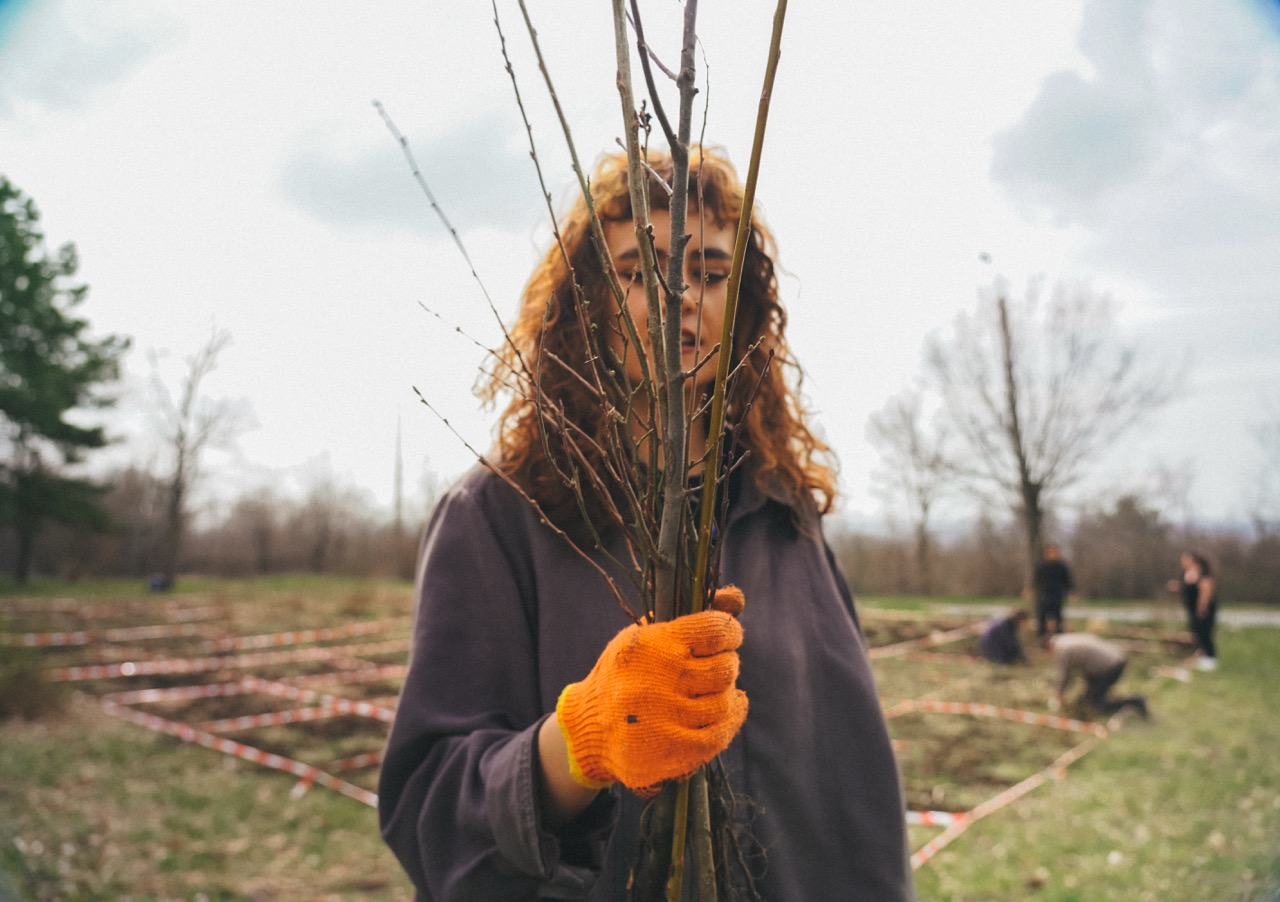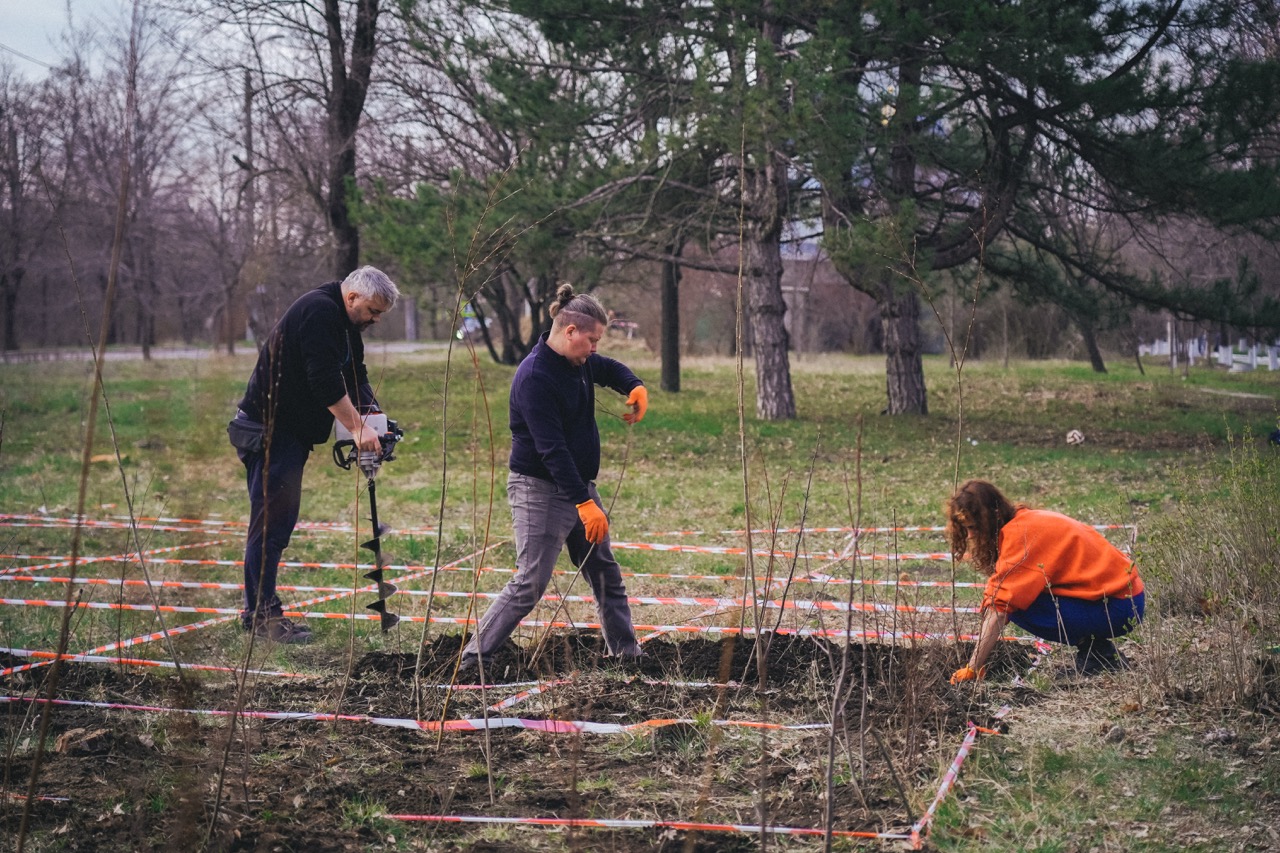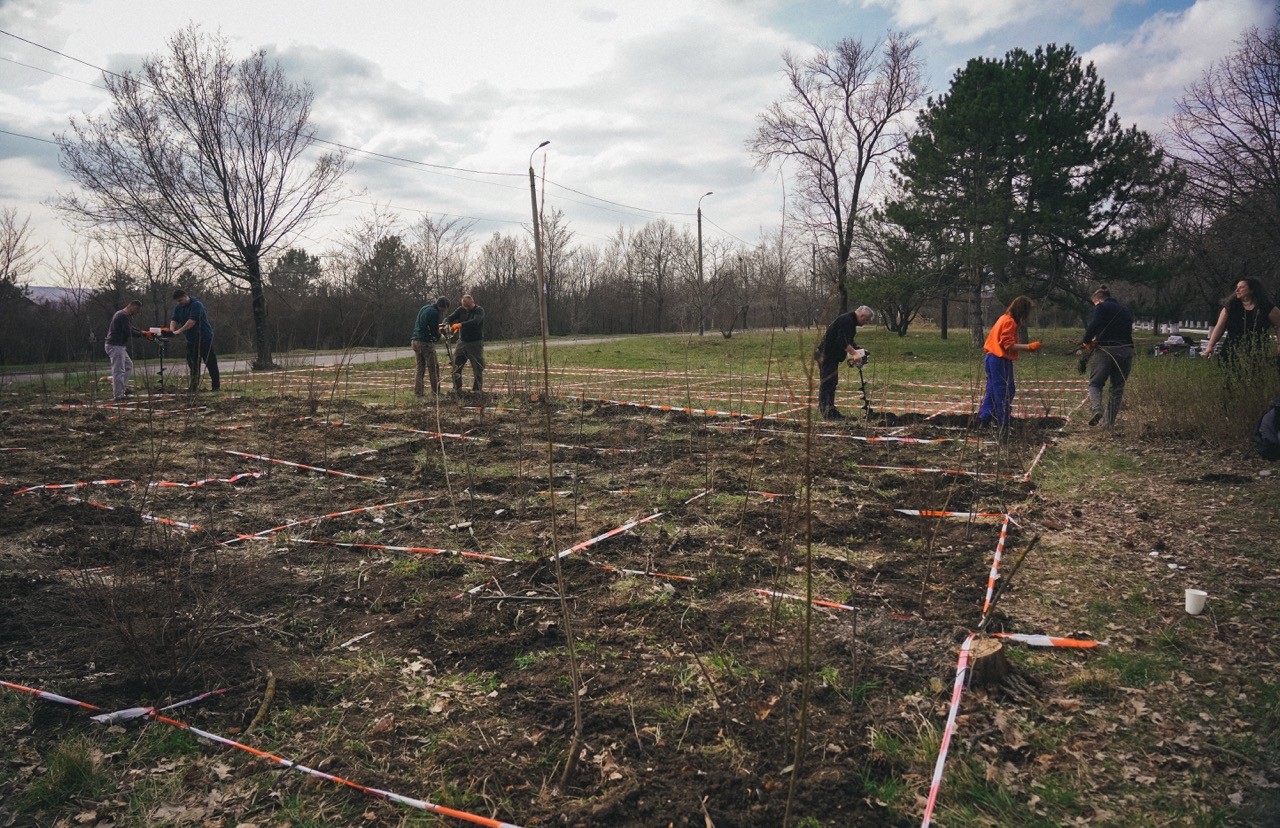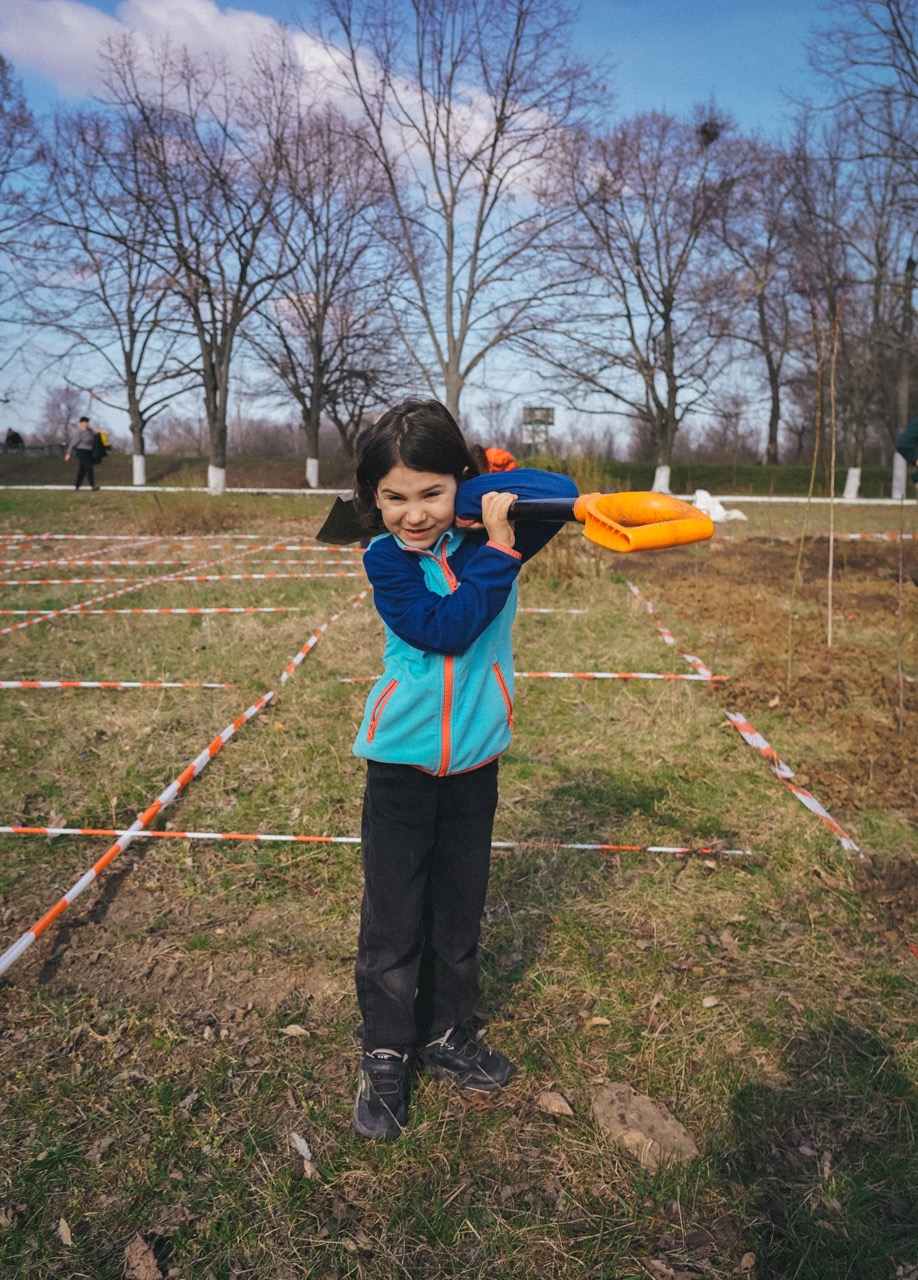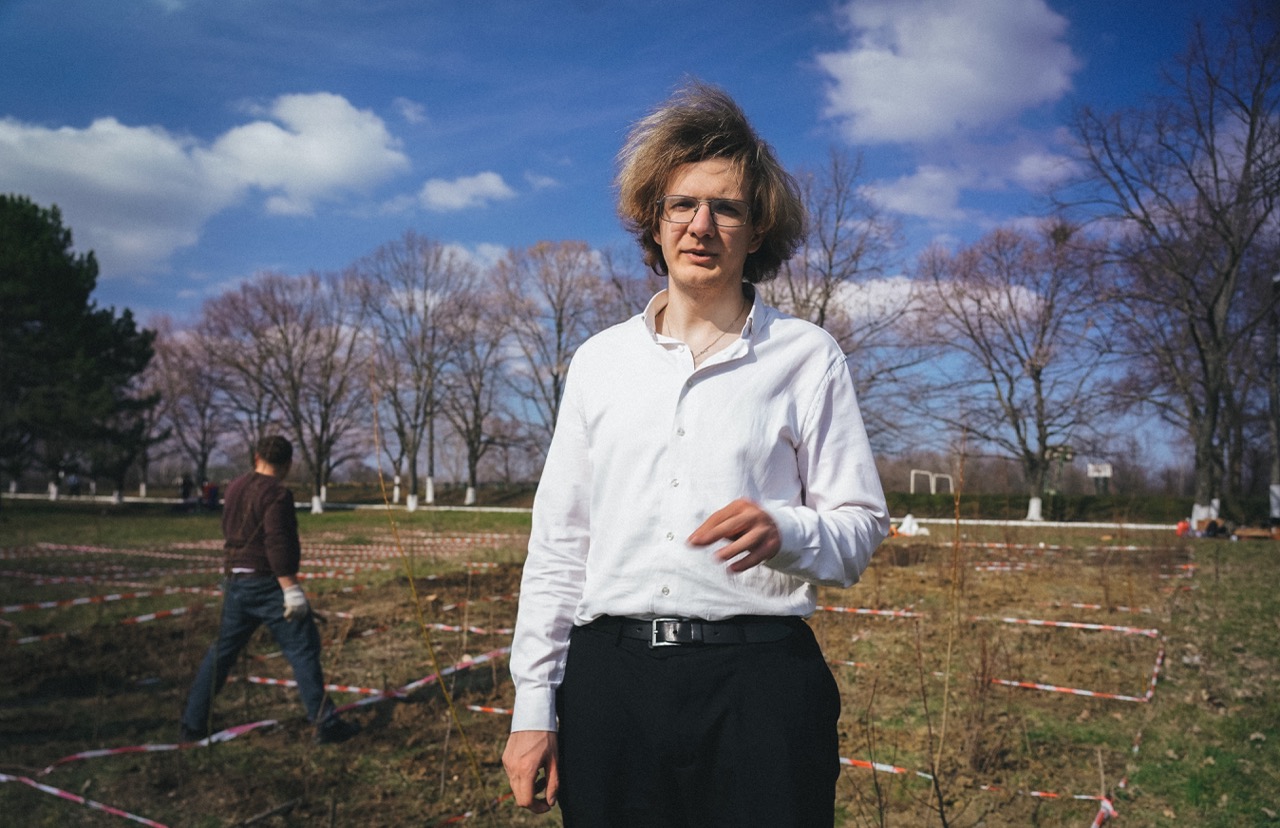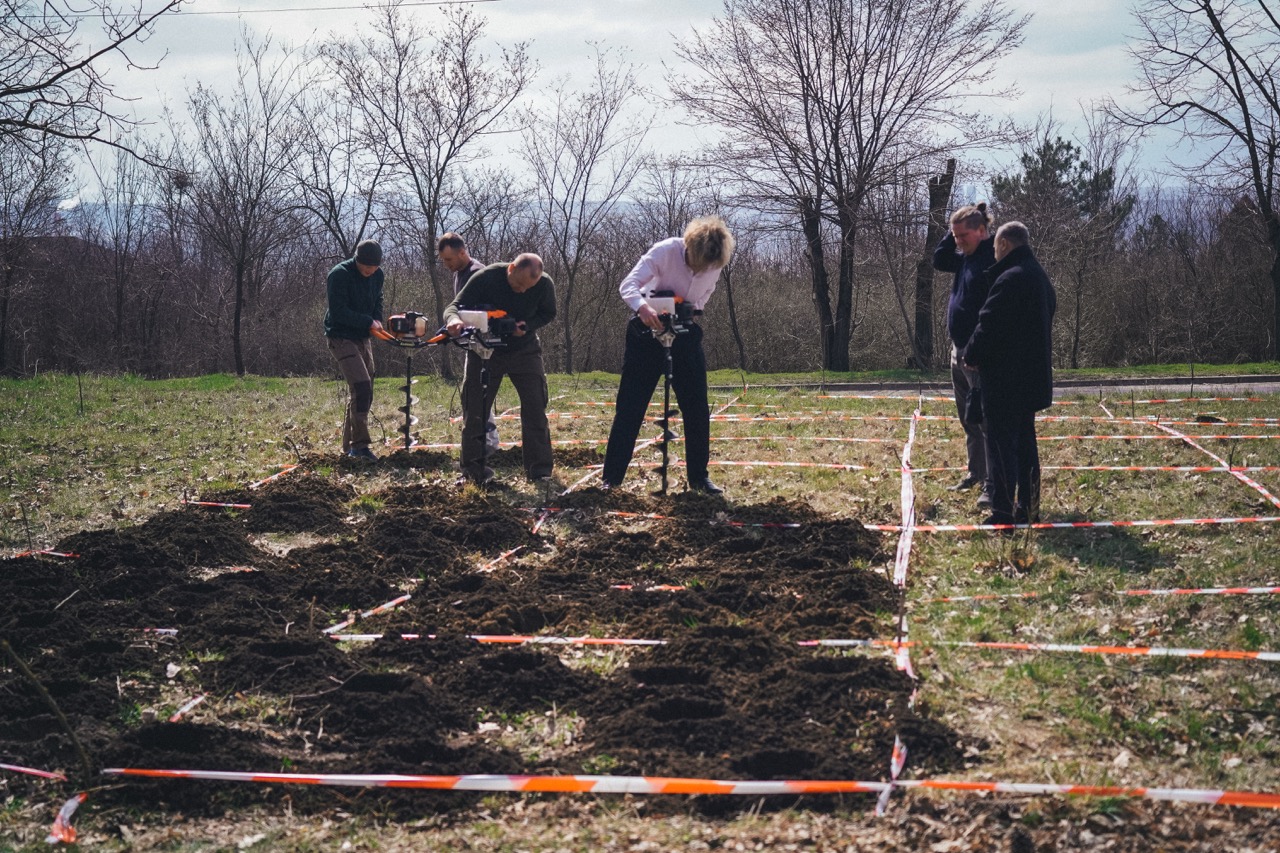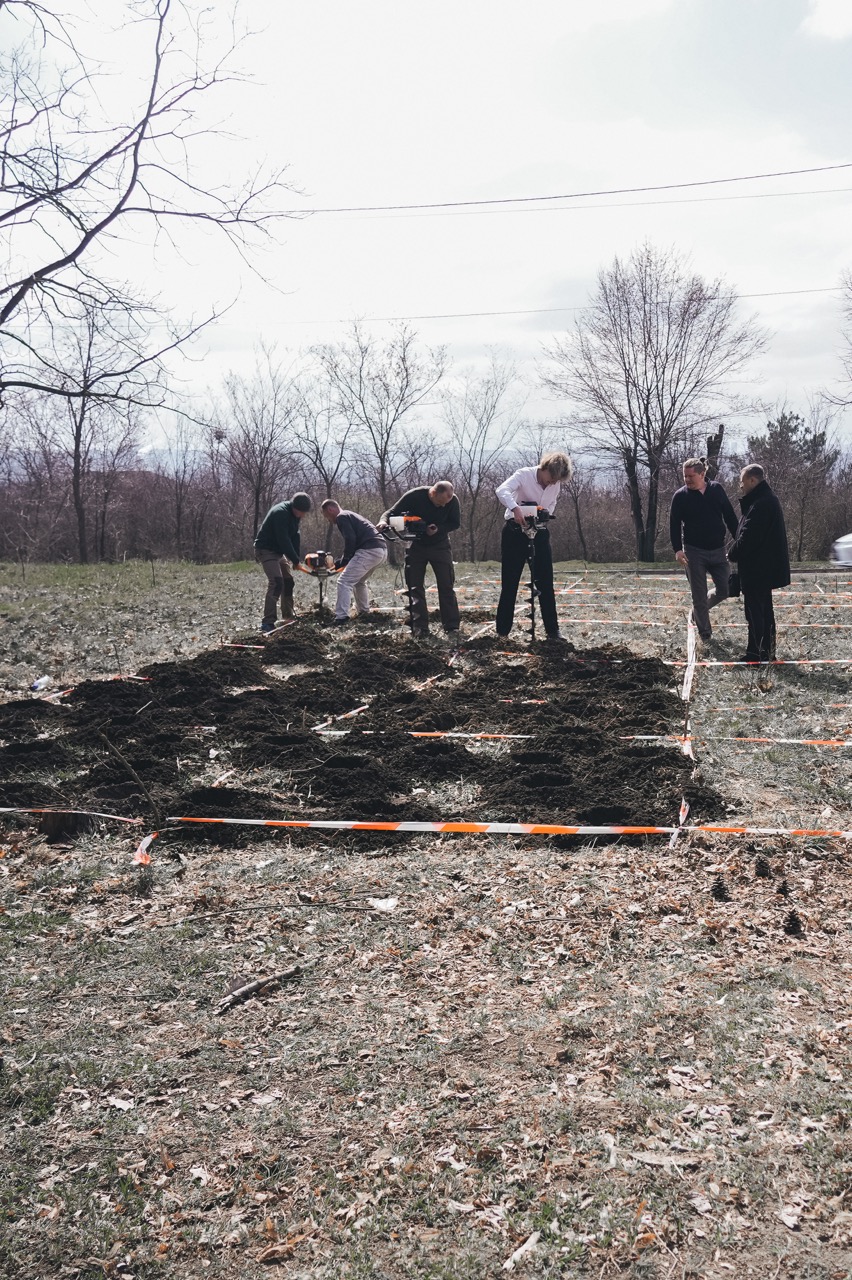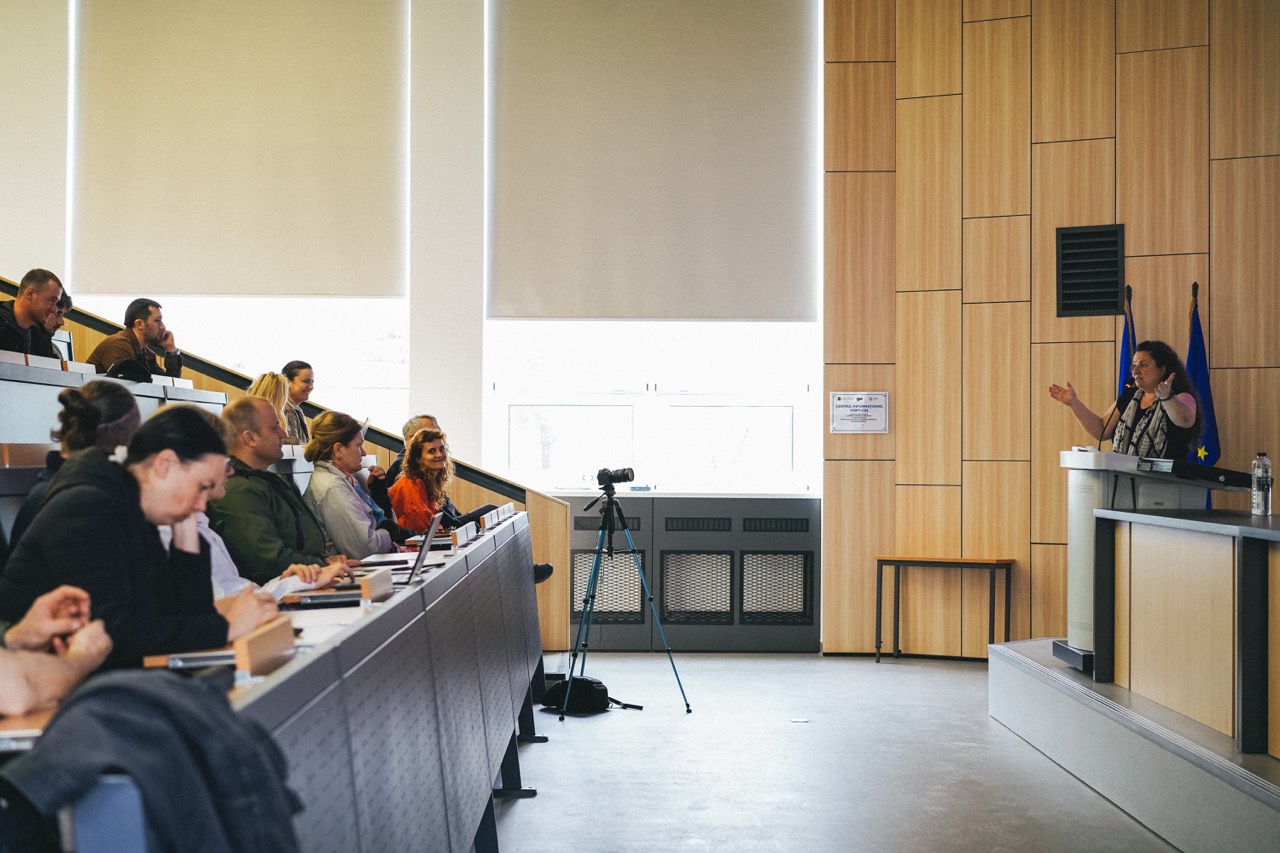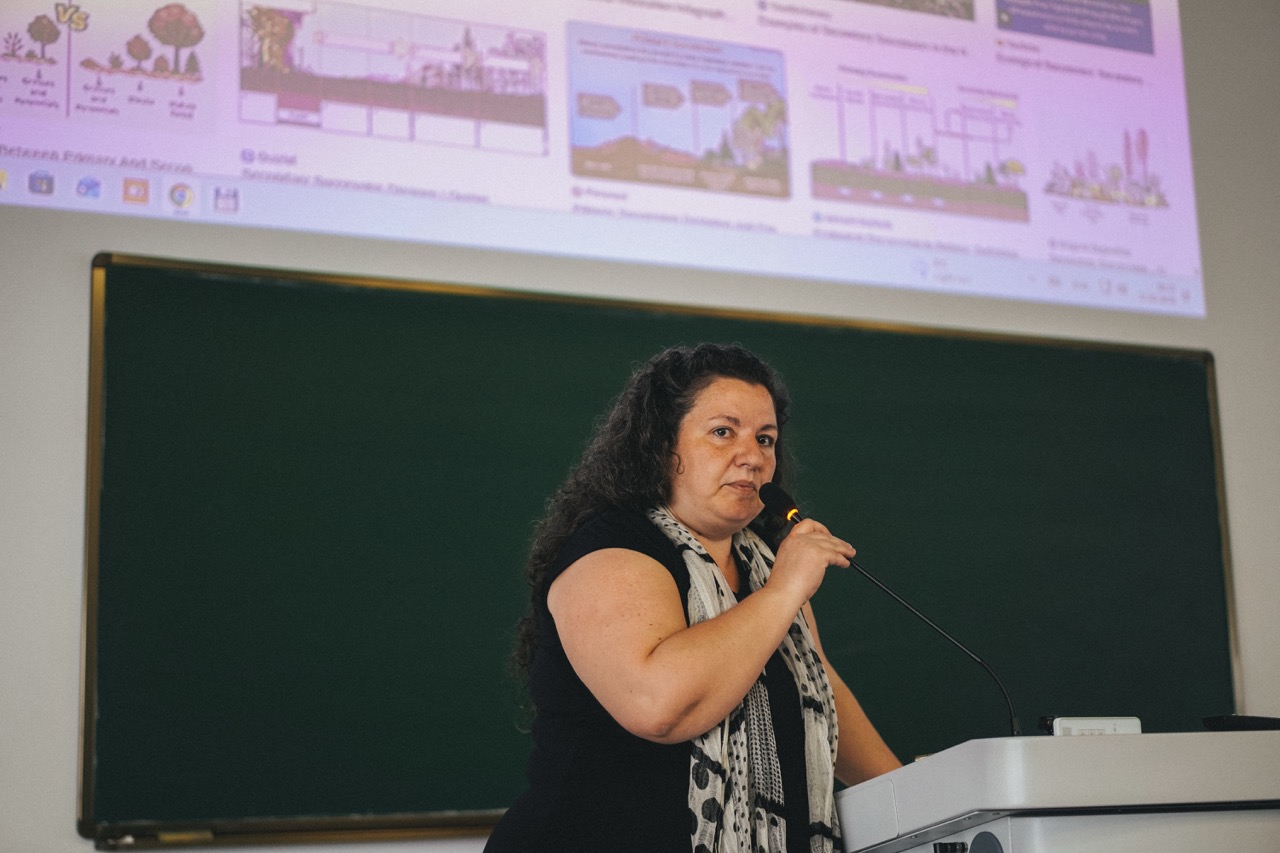
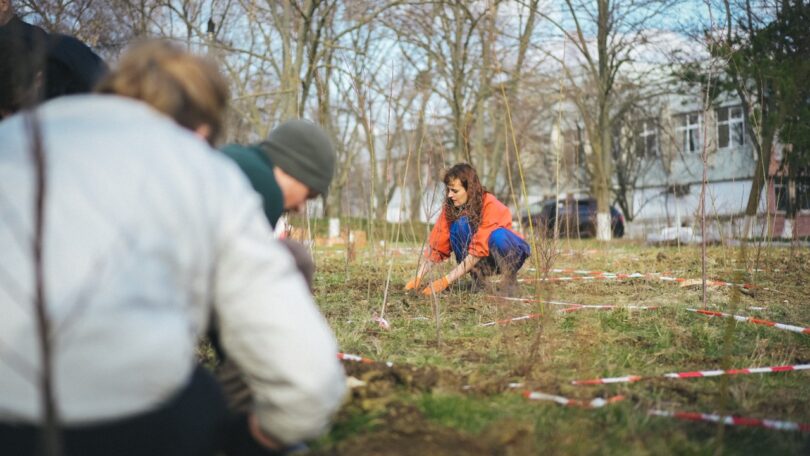
On March 27–28, 2026, AO CADP, in partnership with the Faculty of Agricultural, Forestry, and Environmental Sciences at the Technical University of Moldova, has planted the second Miyawaki-inspired forest in Chișinău, on the university’s Mircești campus.
Following the first planting carried out on December 7, 2025, in the Circus Square, where 480 trees and shrubs were planted over an area of 160 m², the new forest on the Mircești campus expands the initiative on a larger scale: 1,200 trees and shrubs of 12 local and naturalized species, planted across an area of 400 m².
Miyawaki forests are compact, biodiversity-rich forests composed of native and naturalized species that restore complete and functional ecosystems in the spaces where they are planted. This nature-based, scalable, and replicable climate solution contributes to cooling the urban environment, increasing biodiversity, and strengthening community resilience, among other benefits.
Unlike the traditional approach, which views trees as isolated individuals in the city, the Miyawaki method treats trees as part of a living community that functions together. Inspired by natural ecological succession processes, the method directly recreates the conditions of a mature forest, accelerating its development over a few decades rather than centuries. The high planting density (approx. 3 plants/m²) stimulates interactions between species and promotes rapid growth and ecosystem stability.
As a pilot project in Moldova, the collaboration with the Technical University is essential for assessing how the method can be adapted to local conditions and for integrating nature-based solutions into academic research.
______
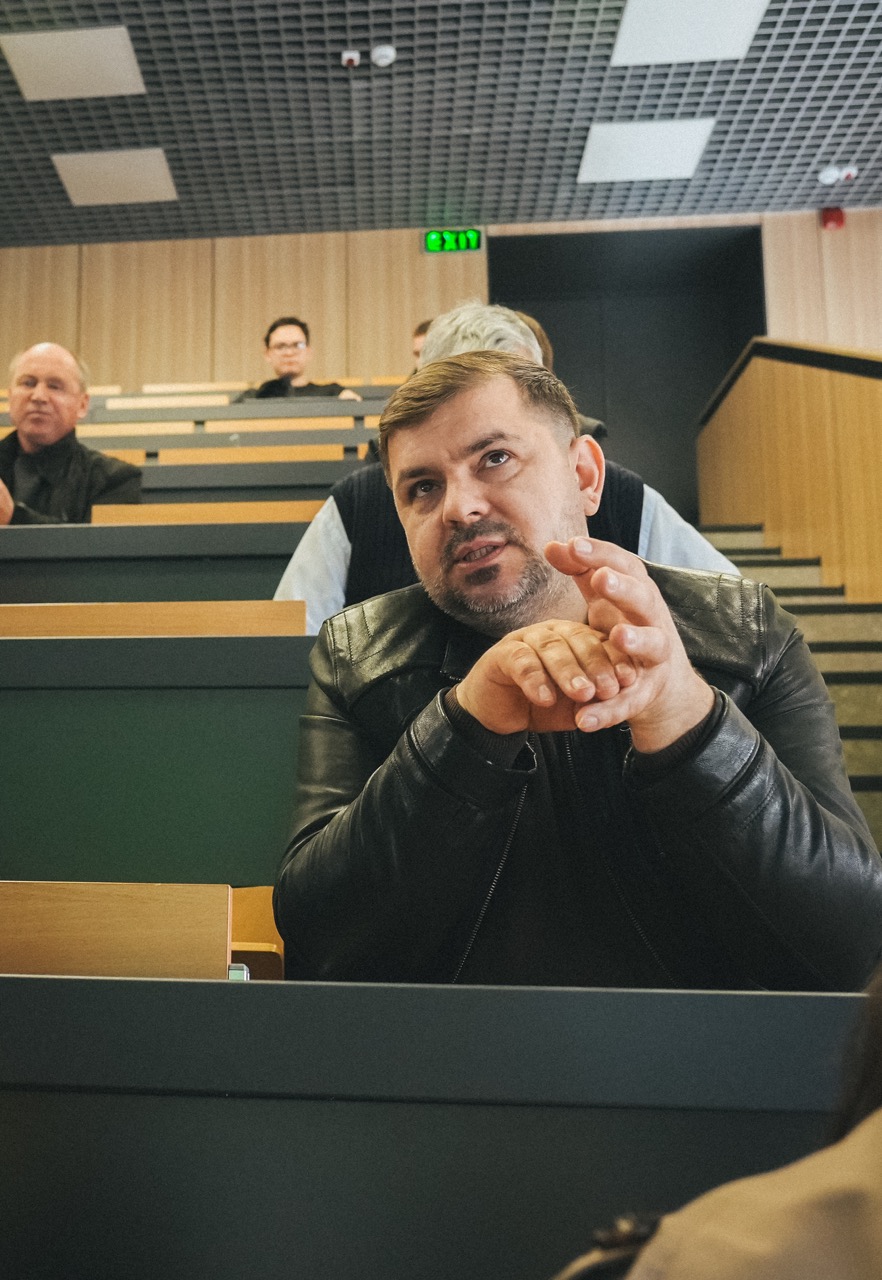
The workshop was organized as part of the project “Envisioning the Resilient City of the Future through Nature-Based Solutions,” implemented by the Active Communities for Participatory Democracy Association, with financial support from the New Democracy Fund.
Photo by Ina Gordeeva.